When the Growing Stops
by Eric Gonzalez-Payne
Every climate has a season where the garden stops. Temperate places call it winter and tropical places call it dry season, and the teaching problem is identical: nothing is visibly happening.
Stop trying to grow things
The most common mistake is fighting the season. Plants put in now need daily attention and mostly die. Use the season for what it is good for.
What this season is for
Building. Beds, paths, compost bays, fences, signs. Ground you can work on without damaging it.
Mapping. The site is at its clearest when the growth dies back. Map it now and the map is accurate all year.
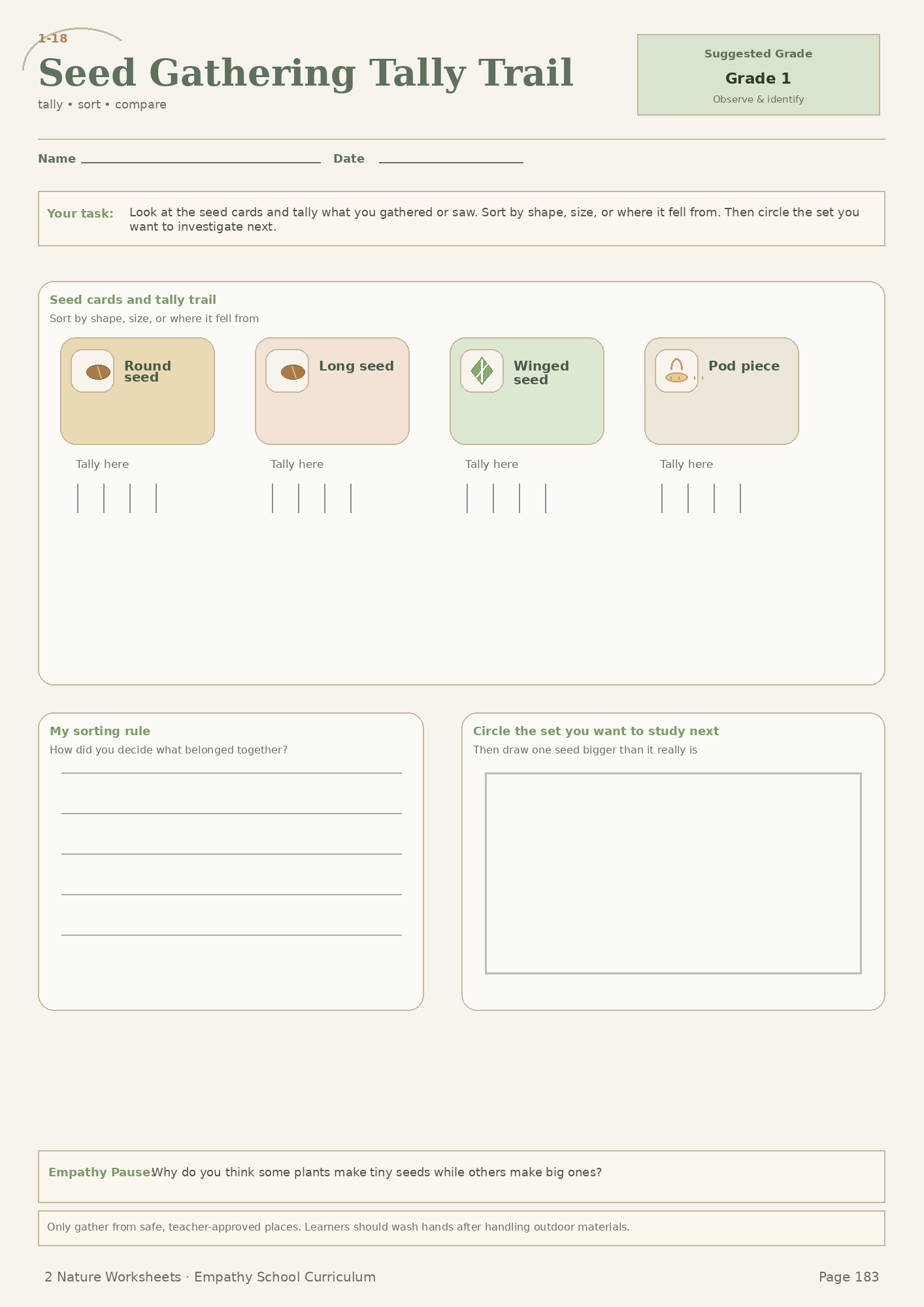
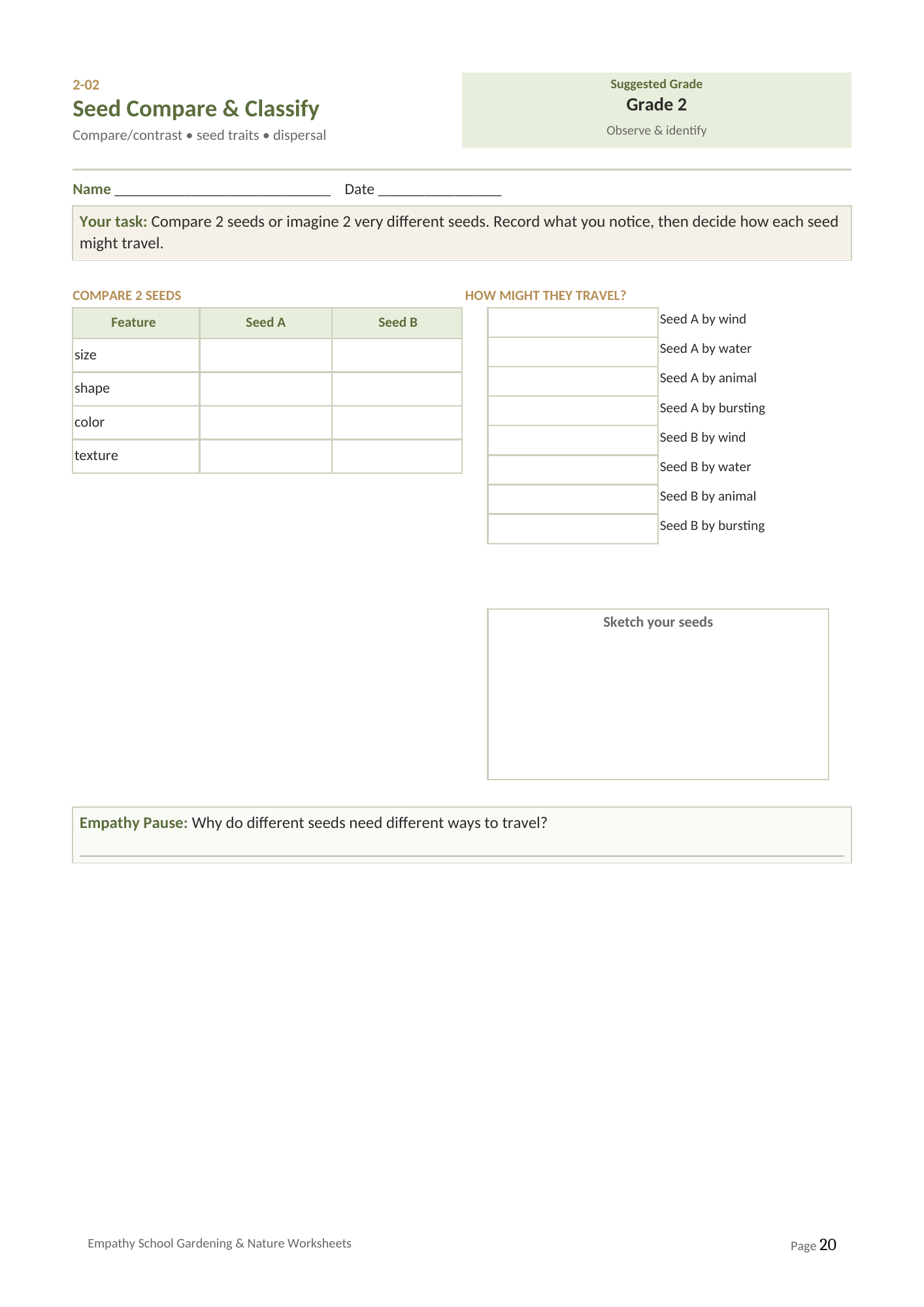
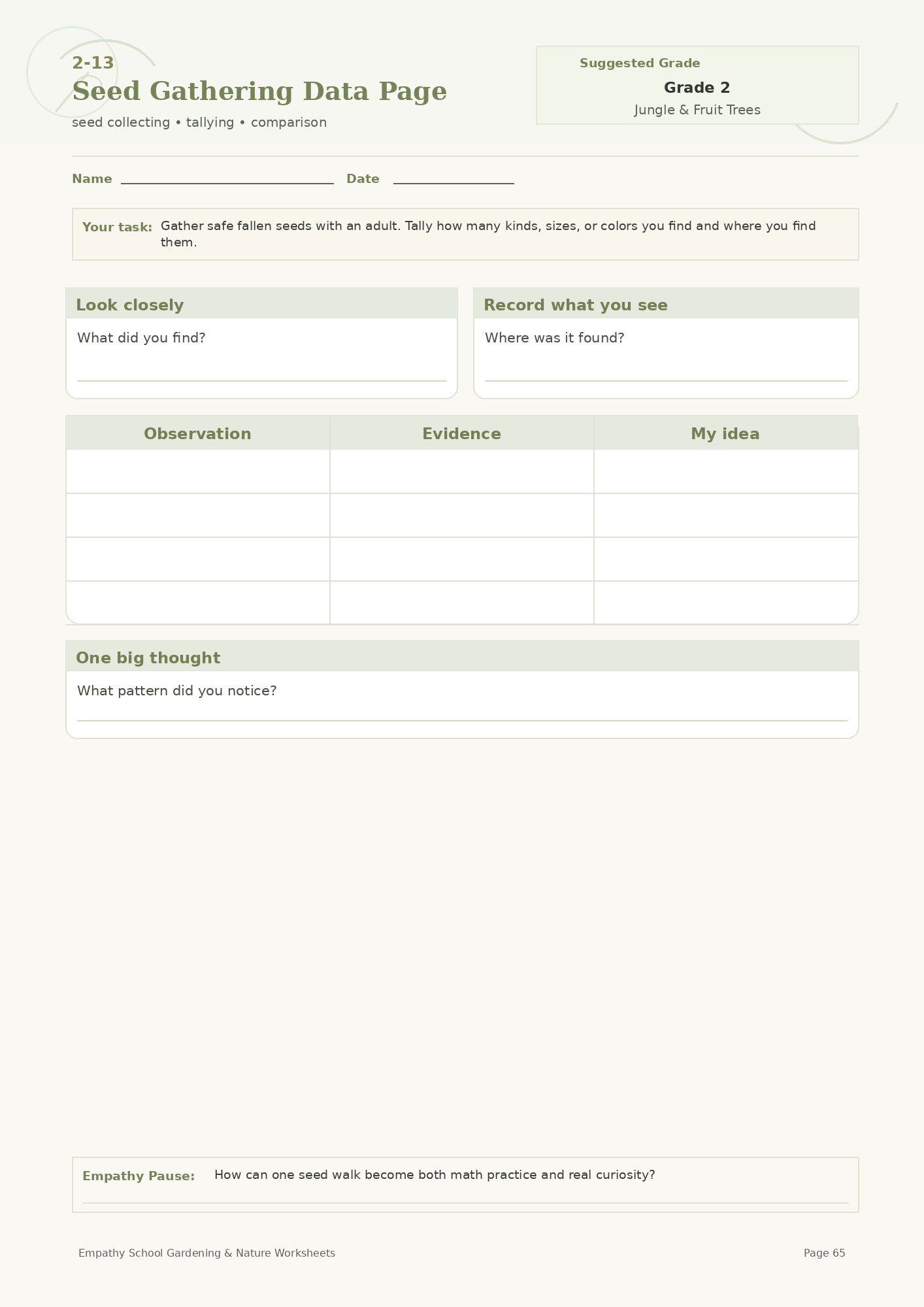
Seed work. Sorting, testing, labelling and storing. A germination test is a proper investigation and it needs no living plant.
Structure. Without leaves, branching patterns are visible. Trees are easier to study now than at any other time.
Soil. Digging, testing, comparing, composting. The part of the garden that is always there.
The observation that only works now
Mark one plant that looks completely dead. Photograph it weekly. When it comes back, show the class the sequence.
A frangipani in dry season, or any deciduous tree in winter, looks finished. Children who have watched one recover understand dormancy in a way that no explanation delivers.
Indoors, deliberately
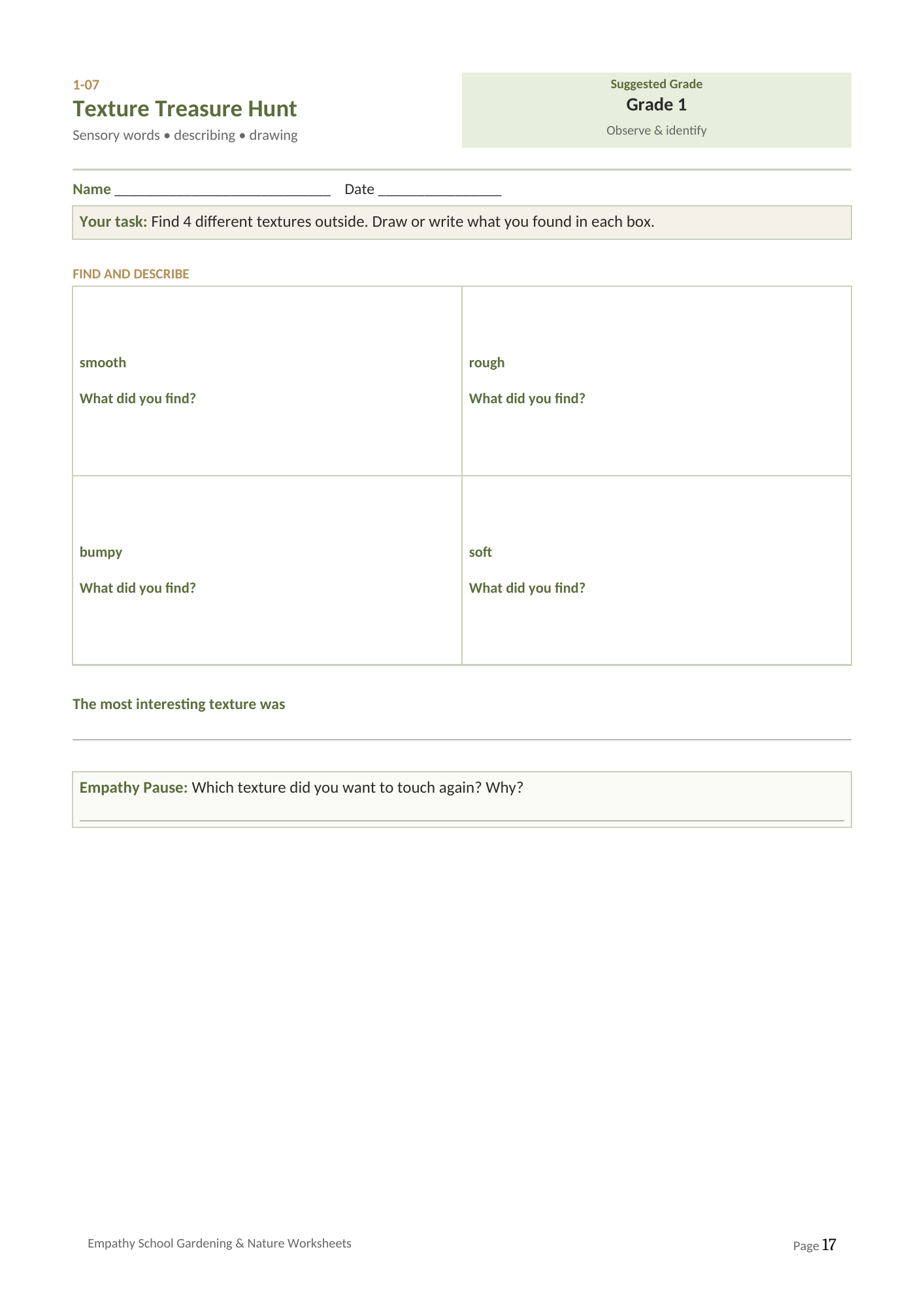
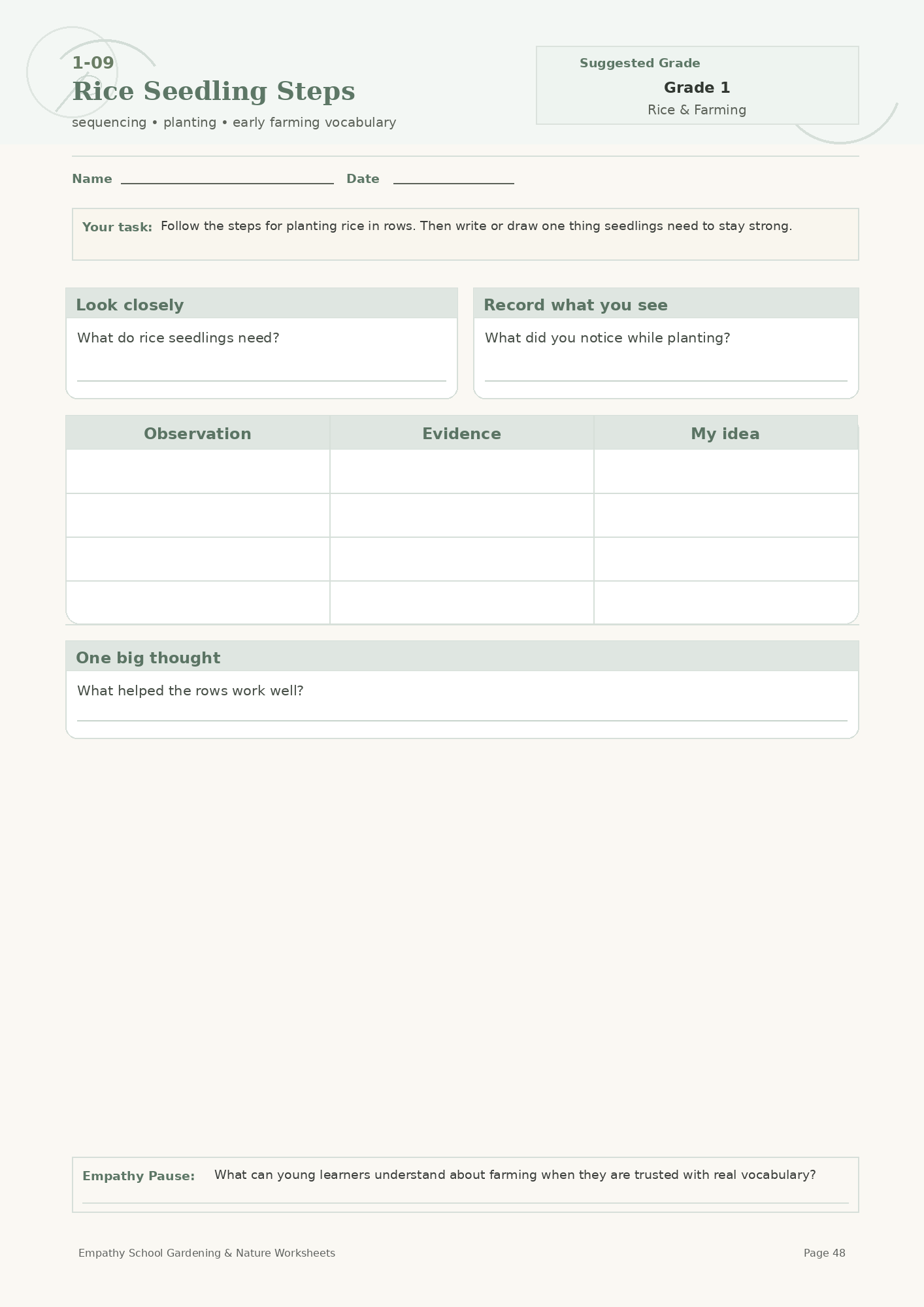
This is the season for the rice tray, the butterfly enclosure, the windowsill jar and the seed germination trial. Plan them for now rather than treating them as a fallback.
Related
What to Plant When in the Tropics and Seed Saving in a Humid Climate.

Eric Gonzalez-Payne
Founder and curriculum author
Ed.M. in Educational Leadership, Harvard Graduate School of Education
Published by Empathy Global LLC
LinkedIn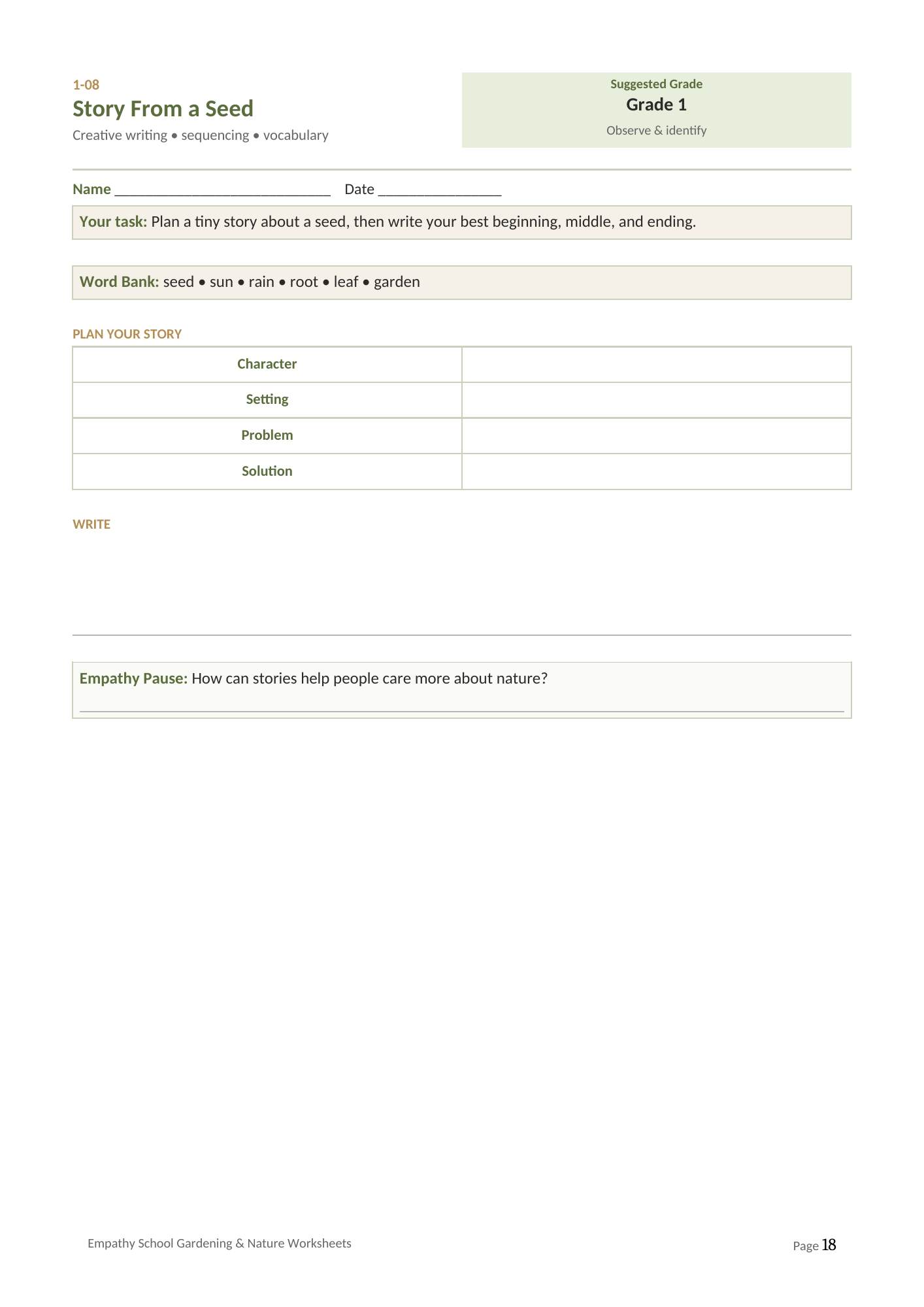
For the full social and emotional learning programme, see the Empathy Curriculum at empathy.kids.