What to Plant When in the Tropics
by Eric Gonzalez-Payne
Forget spring
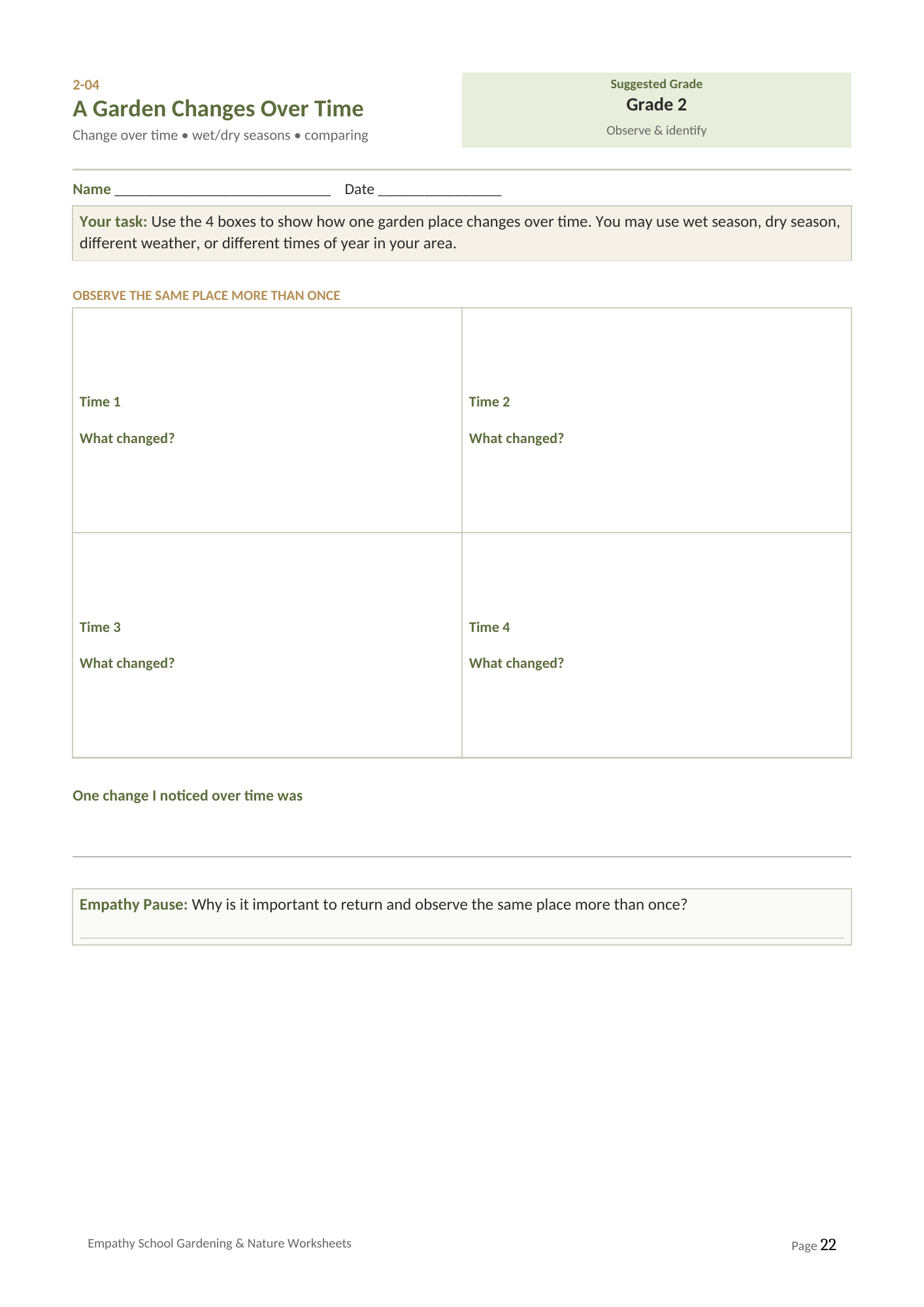
Temperate planting calendars are useless here and following one will cost you a term. There is a wet season and a dry season, and the decision is mostly about water, not temperature.
Plant at the start of the wet season
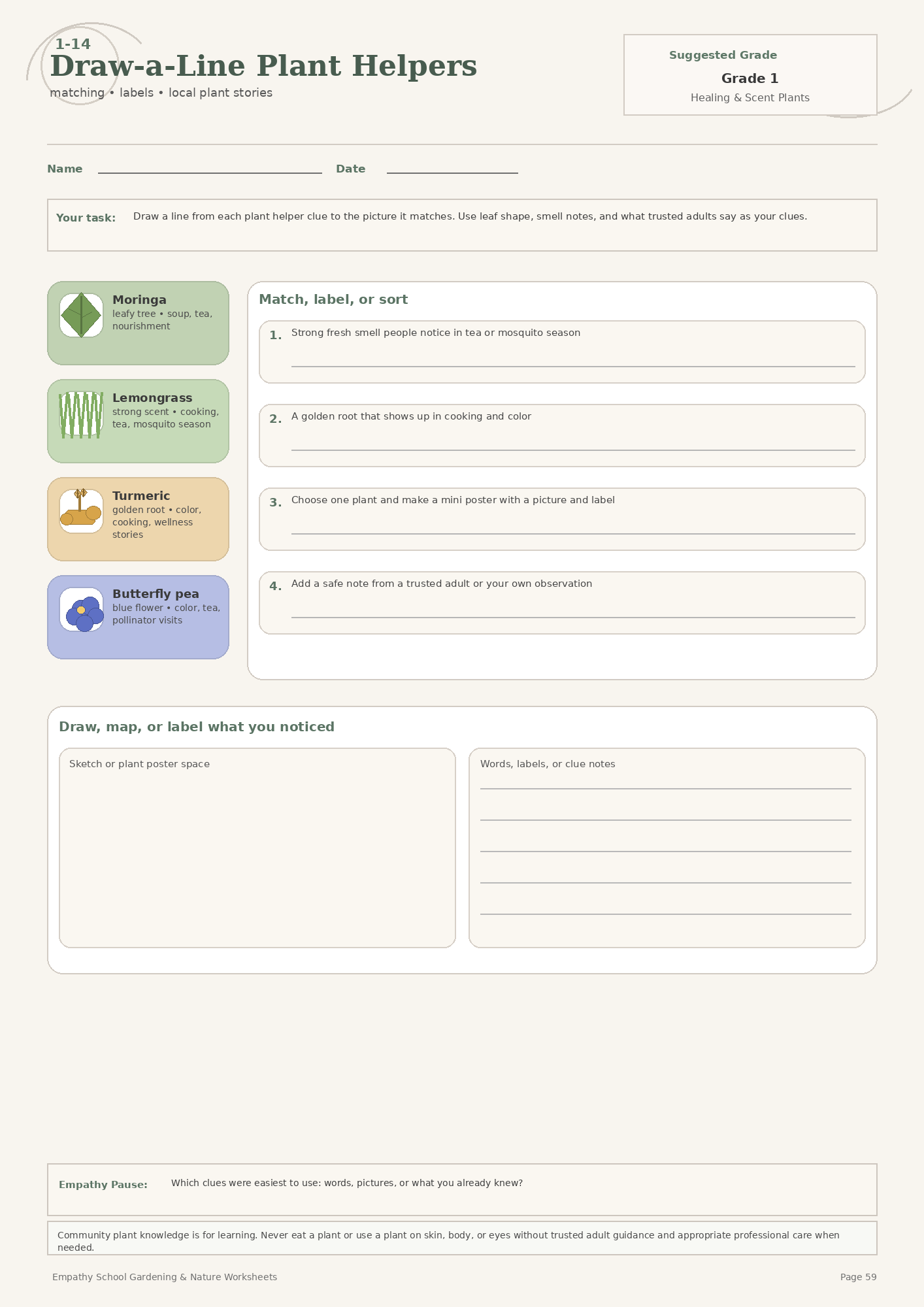
This is the big one. Six to eight weeks before the rains properly arrive, get everything perennial into the ground. Lemongrass, pandan, banana, papaya, moringa, turmeric, ginger. They establish while water is free and abundant, and by dry season they have roots deep enough to survive.
A tree planted in dry season needs watering every day for months. The same tree planted before the rains needs almost nothing.
Fast crops for keeping children interested
Children lose interest in anything slower than about six weeks. Keep a rotation of quick things going alongside the slow ones.
Kangkung, ready in three to four weeks. Radish, four weeks. Salad leaves, four weeks. Spring onion, endless once established. Mung bean sprouts, four days, which is the fastest visible result available anywhere.
Dry season is for building
Do not fight the dry months. Use them for the work that needs dry ground. Building beds, making compost, mending fences, mapping the site, saving seed, mulching heavily so the soil that is there survives.
Mulch is the whole dry season strategy
A mulched bed in the tropics can go days without water. An unmulched one cannot go one. Dried grass, leaf litter, coconut husk, rice straw, cardboard. Whatever you have, thickly, everywhere.
We lost a full bed one dry season because we had mulched three quarters of it and run out. The unmulched quarter died and the rest was fine, which was a clearer demonstration than any lesson.

Eric Gonzalez-Payne
Founder and curriculum author
Ed.M. in Educational Leadership, Harvard Graduate School of Education
Published by Empathy Global LLC
LinkedIn
For the full social and emotional learning programme, see the Empathy Curriculum at empathy.kids.