Risk and Benefit in Outdoor Learning
by Eric Gonzalez-Payne
The framing that works
Not risk assessment but risk benefit assessment. Every activity has a hazard and a benefit, and removing the hazard usually removes the benefit with it.
A knife has a hazard. It also has the benefit of a child learning to handle a sharp tool, which they will need to do at some point in their life, ideally supervised rather than unsupervised at fourteen.
What to write down
Hazard, who is exposed, what could realistically happen, what reduces it, who is responsible, and what the benefit is.
The benefit column is the one usually missing, and it is the one that lets you defend an activity rather than only justify it.
The risks people worry about
Insects, dirt, mud, strangers, plants, water. Some are real and most are managed by ordinary supervision.
The risks that actually cause harm
Heat and dehydration, which are underestimated almost everywhere warm. Sun. Falling objects, including fruit in the tropics. Traffic on the way there. Water, always.
A risk note that covers heat and traffic and omits stinging nettles is a serious document. One that does the reverse is not.
The evidence on managed risk
Children who are never allowed to encounter risk do not become safer. They become less able to judge it, and the judgement has to be learned somewhere.
How to present it to a school
Bring the note unprompted, before you are asked. Doing that signals that you are not going to create a problem, which is what is actually being assessed.
Related
Keeping Children Safe Outdoors and One Adult, Twenty Five Children.
Eric Gonzalez-Payne
Founder and curriculum author
Ed.M. in Educational Leadership, Harvard Graduate School of Education
Published by Empathy Global LLC
LinkedIn
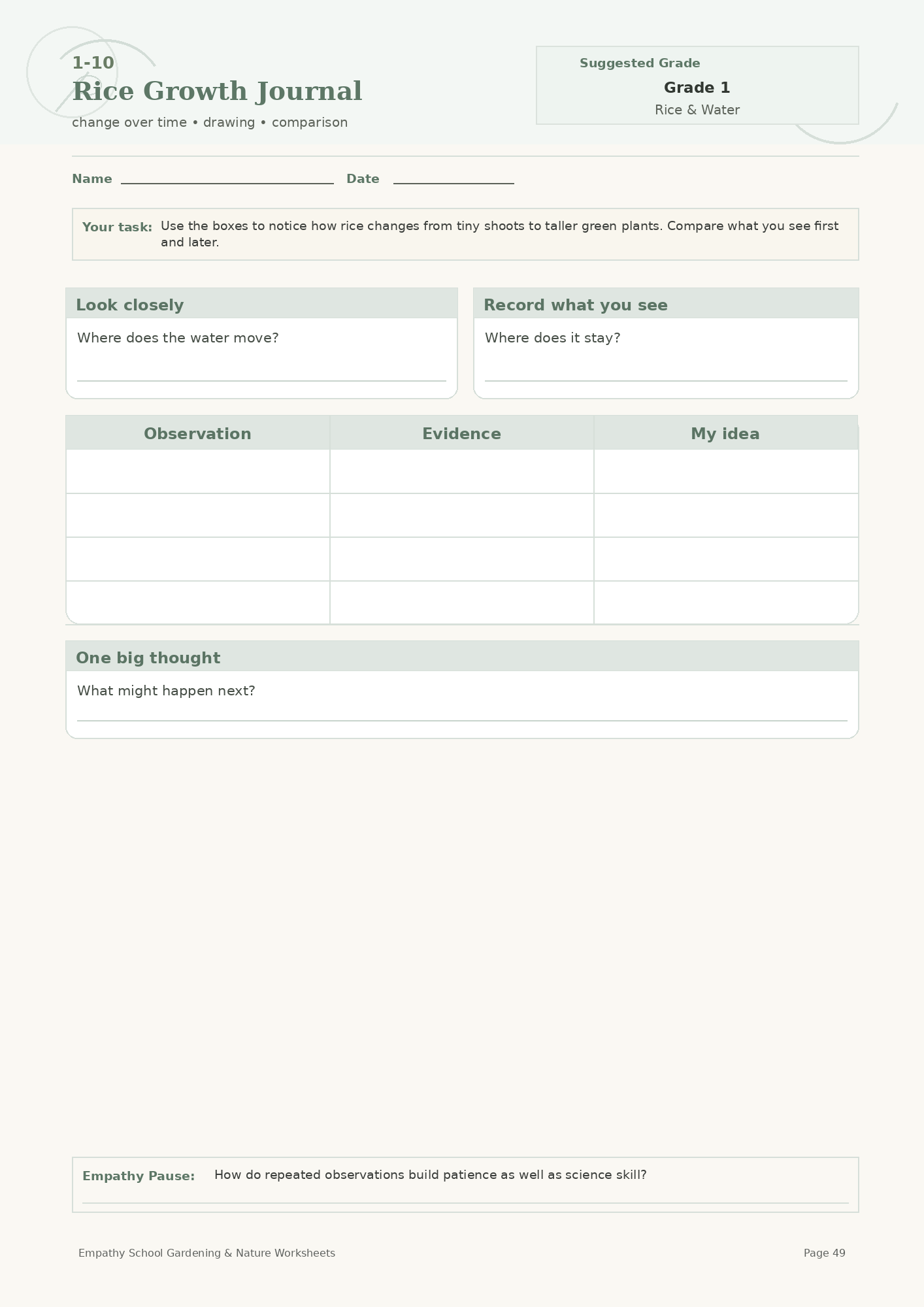
For the full social and emotional learning programme, see the Empathy Curriculum at empathy.kids.