*Carica papaya*
How to know it
A single unbranched trunk with a crown of large deeply lobed leaves at the top, and fruit clustered directly against the trunk. Fast growing and short lived. Seedlings appear all over a tropical site without anyone planting them.
What it does
The fruit is eaten ripe as fruit and green as a salad vegetable. The leaves are used traditionally in several regional remedies. The black seeds are edible and peppery, which children find startling.
Safety
Ripe fruit is safe. The white latex from unripe fruit and cut stems can irritate skin and should be washed off. Do not encourage children to eat green papaya raw in quantity.
Two things to do with children
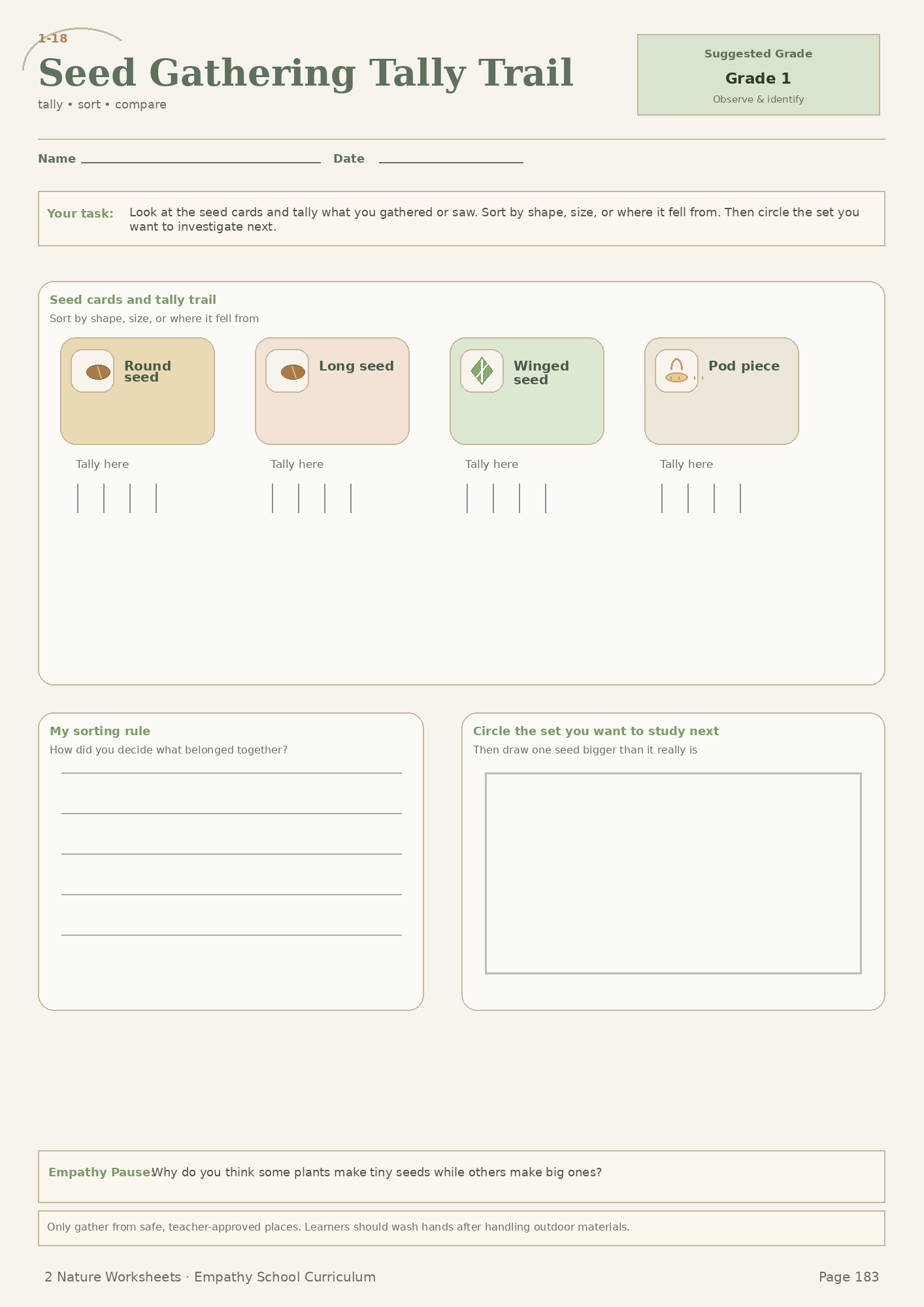
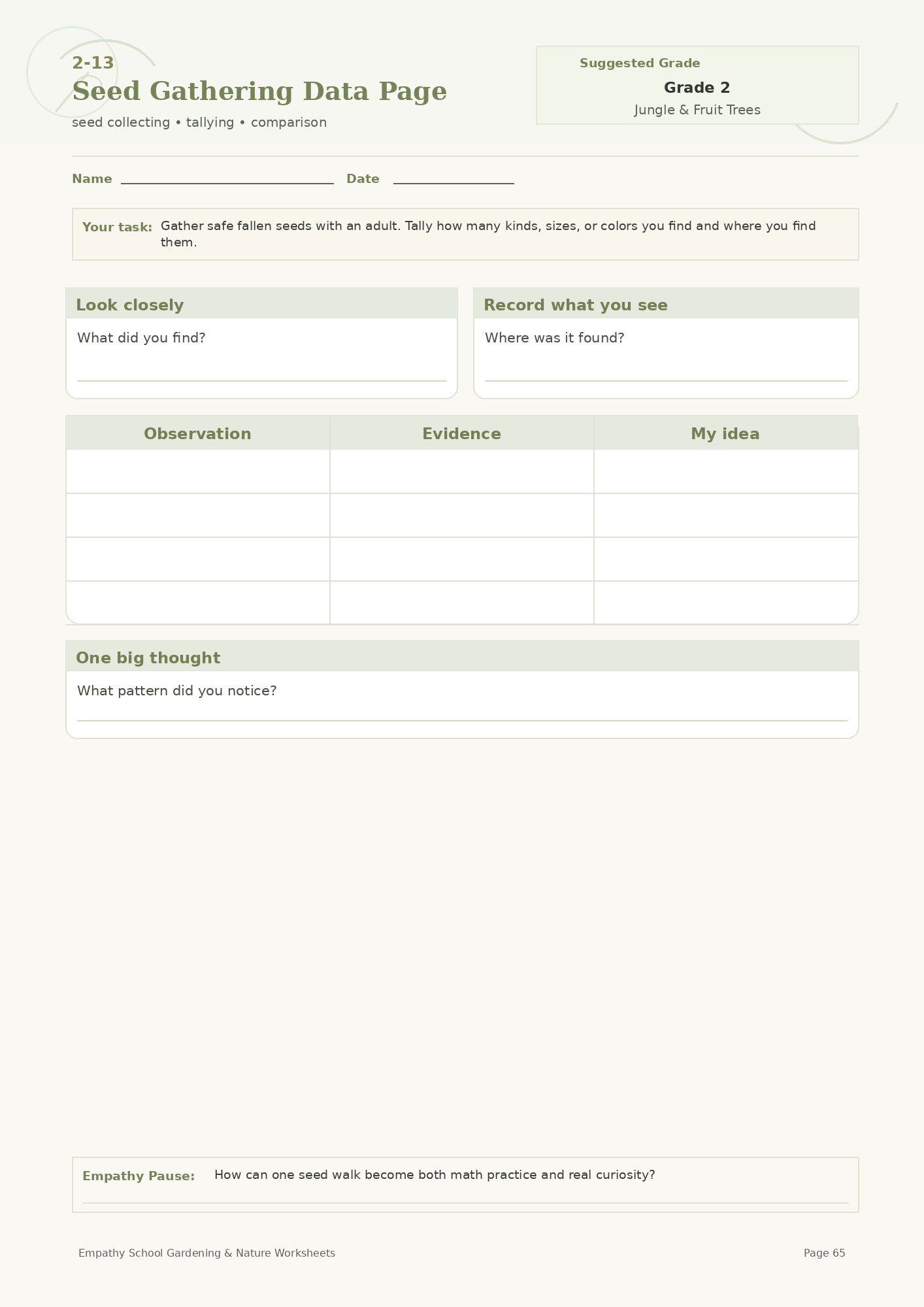
Plant seeds from a fruit the class ate. They germinate readily and grow visibly fast, which suits children who lose patience with slow plants.
Taste one black seed each. The pepper flavour is unexpected and leads straight into a conversation about why a plant might make its seeds taste unpleasant.

Eric Gonzalez-Payne
Founder and curriculum author
Ed.M. in Educational Leadership, Harvard Graduate School of Education
Published by Empathy Global LLC
LinkedIn
For the full social and emotional learning programme, see the Empathy Curriculum at empathy.kids.