Documenting the Year
by Eric Gonzalez-Payne
Two different records
One for authorities, which is dated samples and a term summary. That is covered elsewhere and takes ten minutes a month.
One for yourselves, which is what this is about, and which almost every family gets wrong by trying to do too much.
The scrapbook trap
Elaborate journals with tickets glued in are wonderful for six weeks and then abandoned, and the abandonment feels like a failure that taints the whole idea.
Design for what you will still be doing in month nine.
What survives
One photo a day. Not thirty. One, chosen, with a caption of a few words. A year of those is an extraordinary document and it costs a minute.
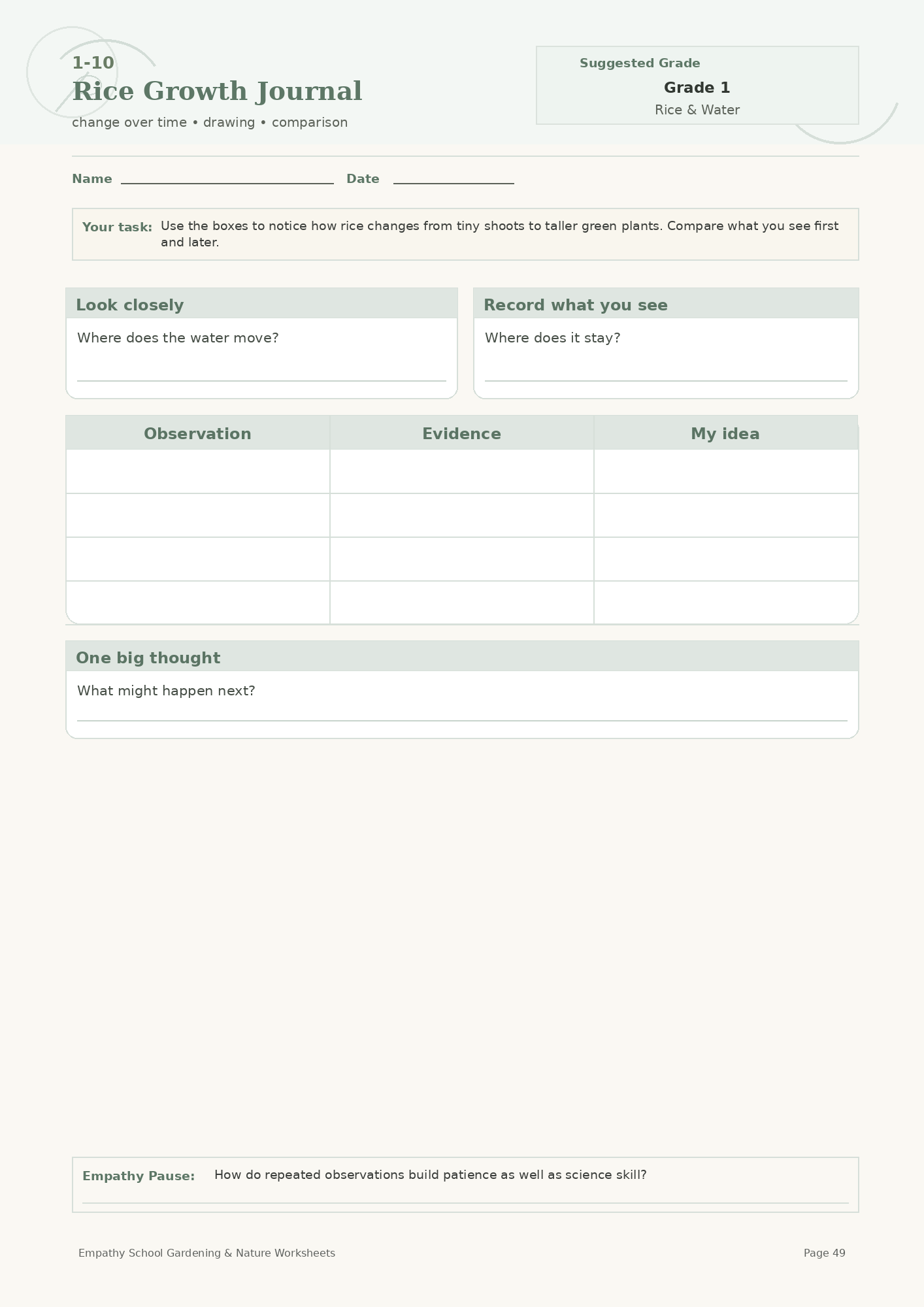
Three lines a day from each child. One thing I saw, one thing I heard, one thing I did not understand. That third line is the good one and it produces the entries you will reread.
A map, physical, marked as you go.
A shared audio recording occasionally. Children's voices change and nobody records them. Ten minutes of a seven year old explaining a market is worth more than a hundred photographs.
Once a term, not once a day
The bigger assembly job. Print the best forty photos, put the journals together, write two pages of your own.
Doing this quarterly is achievable. Doing it weekly is not.
Let the children own theirs
Their journal is not for correction. If you edit it, it stops being theirs and they stop writing in it.
Back it up
Phones are stolen and dropped in rivers. Whatever system you use, it needs to survive losing the device, and this is the part everybody puts off.
Eric Gonzalez-Payne
Founder and curriculum author
Ed.M. in Educational Leadership, Harvard Graduate School of Education
Published by Empathy Global LLC
LinkedIn
For the full social and emotional learning programme, see the Empathy Curriculum at empathy.kids.