Summer Holidays: Twenty Things That Cost Nothing
by Eric Gonzalez-Payne
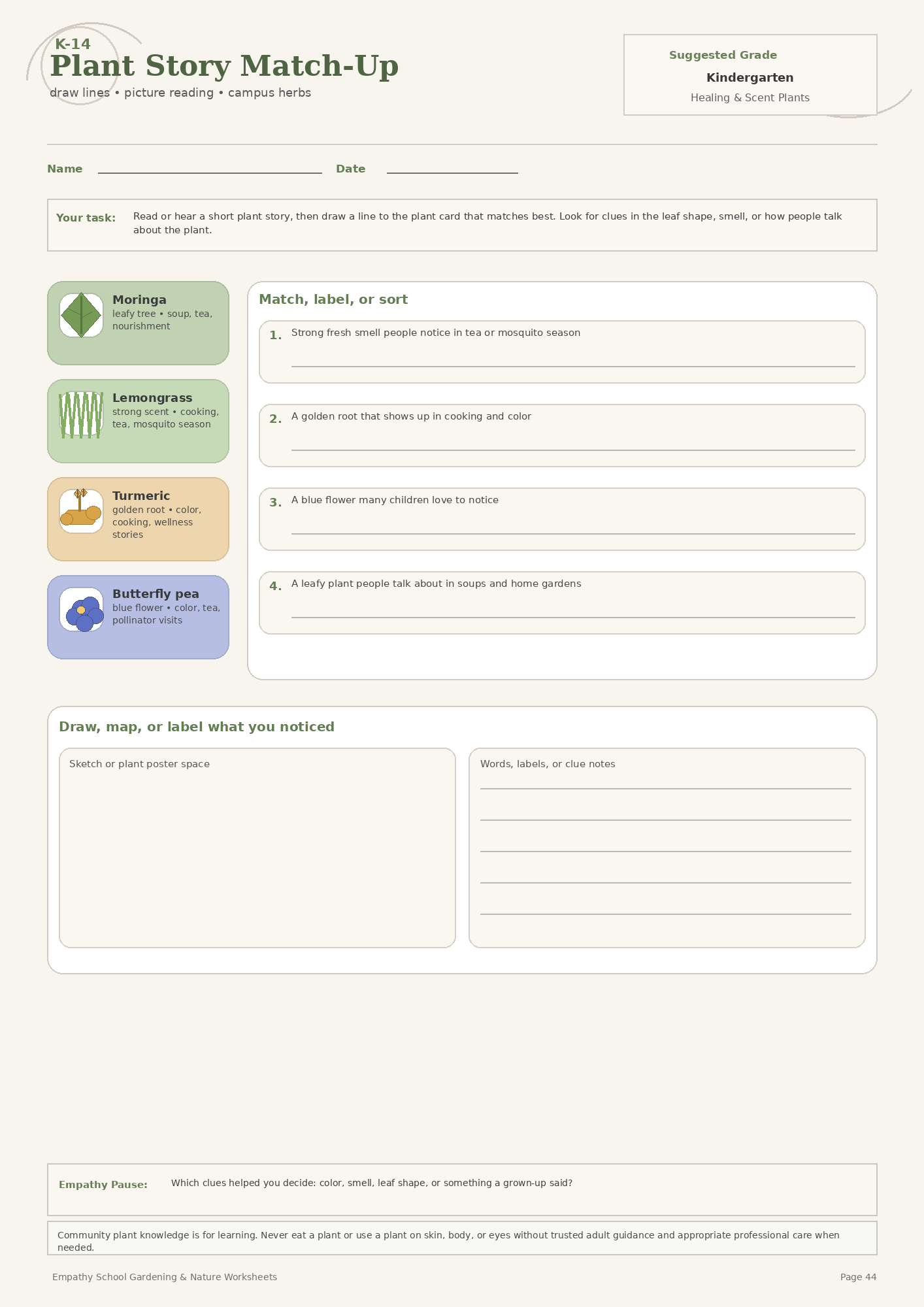
No preparation, no purchases, no screens required. Roughly one for each weekday of a long break.
Outside
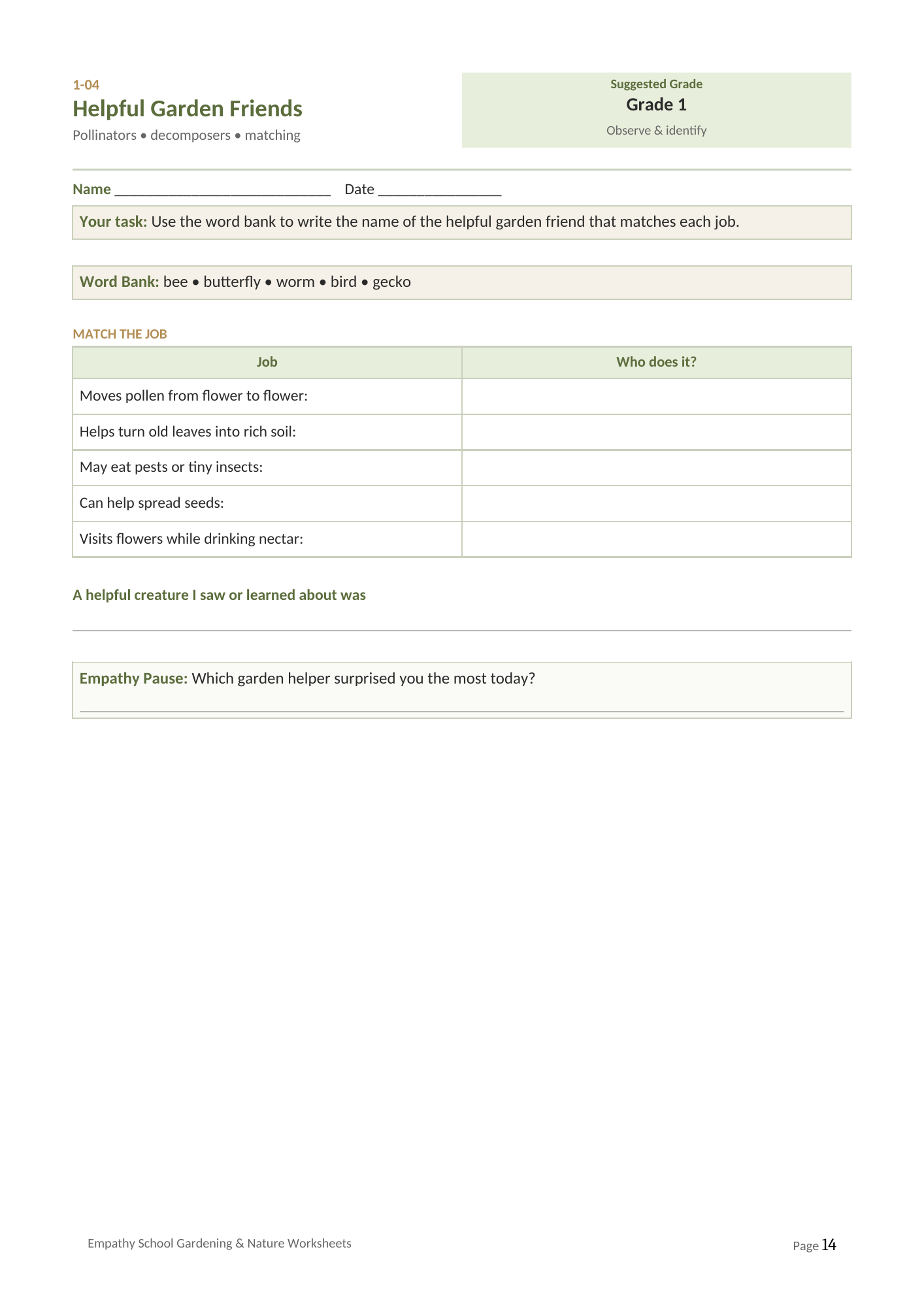
Grow mung bean sprouts in a jar. Four days to edible, the fastest result in gardening.
Follow an ant trail to both ends.
Map your street from memory, then walk it and correct the map.
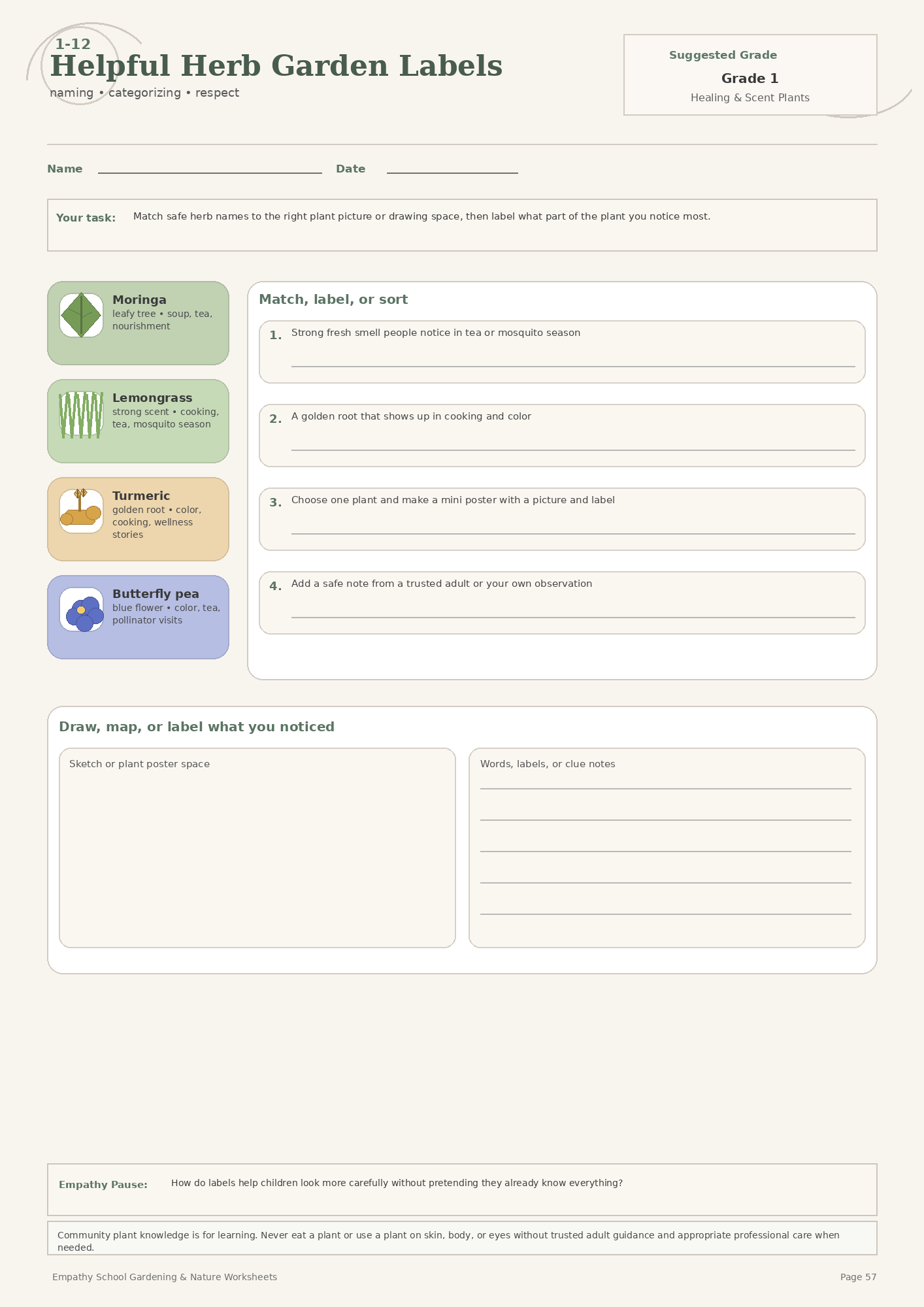
Find five different greens and order them.
Sit still for ten minutes and list every sound.
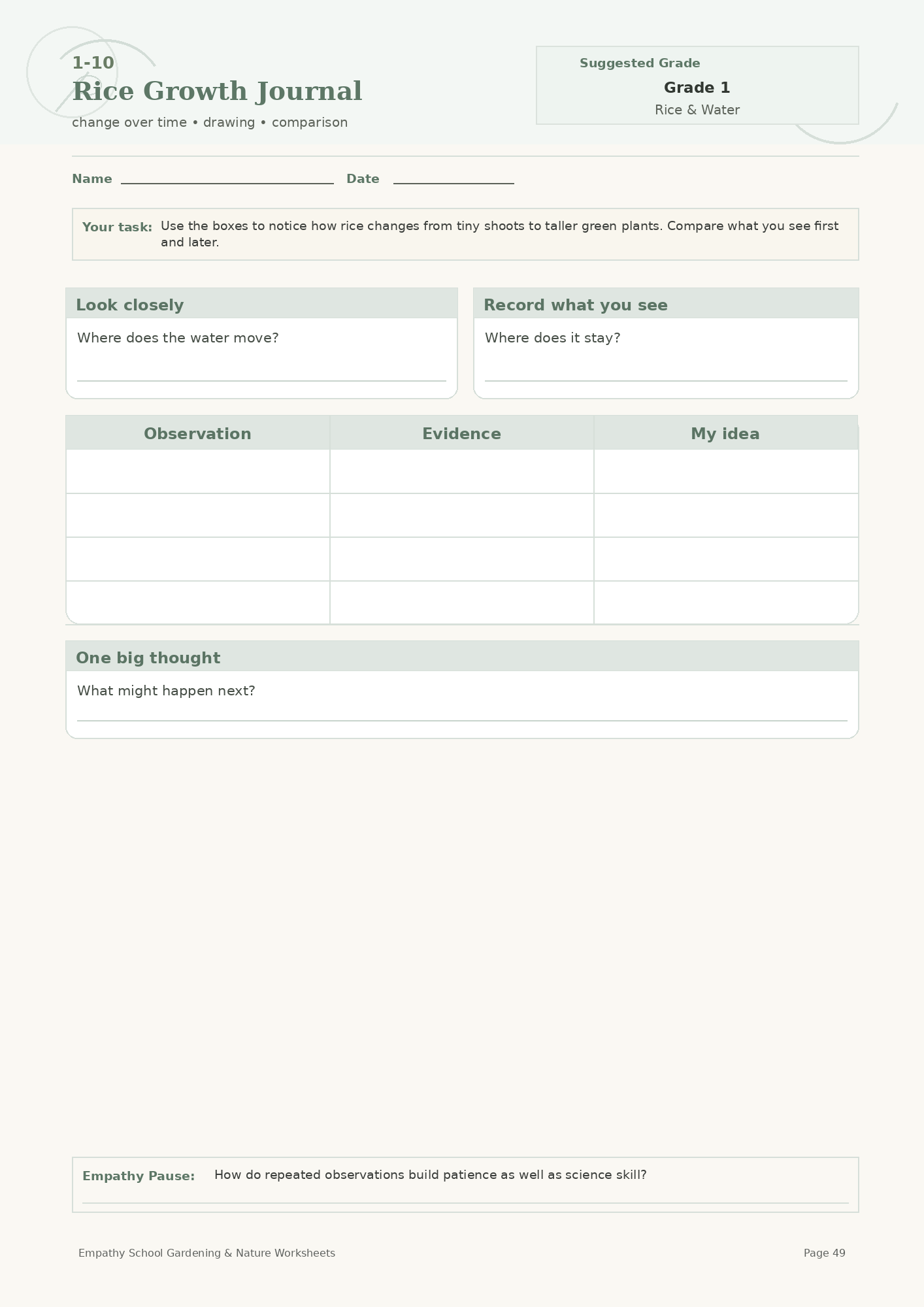
Mark a puddle after rain and check it three times.
Find something that has been eaten and work out what did it.
Plant the top of a carrot, a pineapple or a sweet potato in water.
Do a night walk in your own garden with one torch.
Collect seeds from one plant and work out how it spreads them.
Inside
Kitchen hunt: something from a tree, from underground, from an animal, from another country.
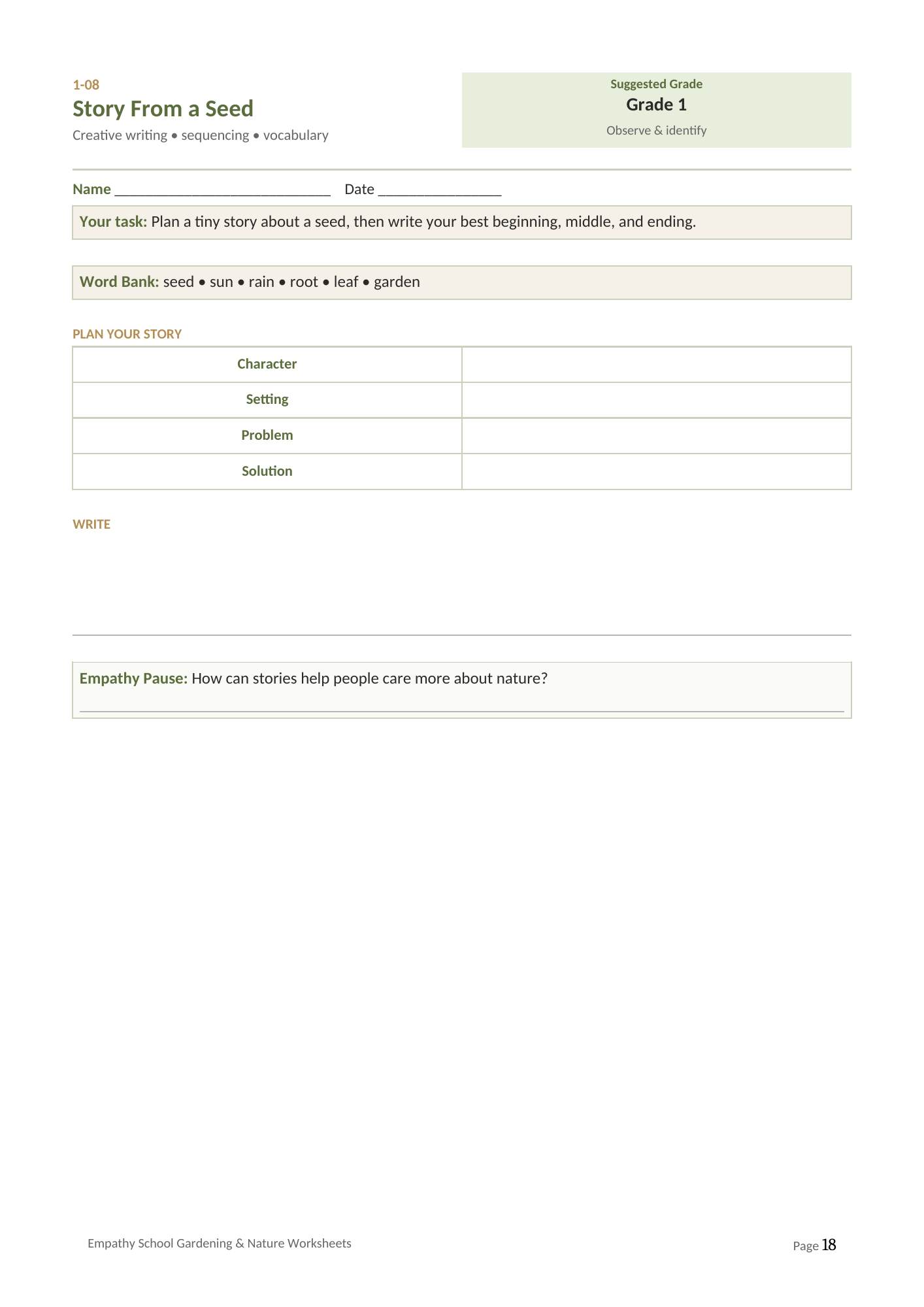
Draw one plant from life for twenty full minutes.
Cook one thing from start to finish with no adult hands.
Write a letter to somebody and actually post it.
Take one object apart and try to put it back.
Days out with nothing spent
A market, with a small budget they control.
A library, with a limit of two books each and thirty minutes to choose.
A bus route to the end and back, with a map.
A free museum, three objects only, then leave.
A stretch of water, anywhere, with a jar.
The one that matters most
One day a week with nothing planned at all. No screens, materials available, an adult nearby doing their own thing. The first two hours are complaining. What starts in the third hour is the thing worth having.
Related
Eric Gonzalez-Payne
Founder and curriculum author
Ed.M. in Educational Leadership, Harvard Graduate School of Education
Published by Empathy Global LLC
LinkedIn
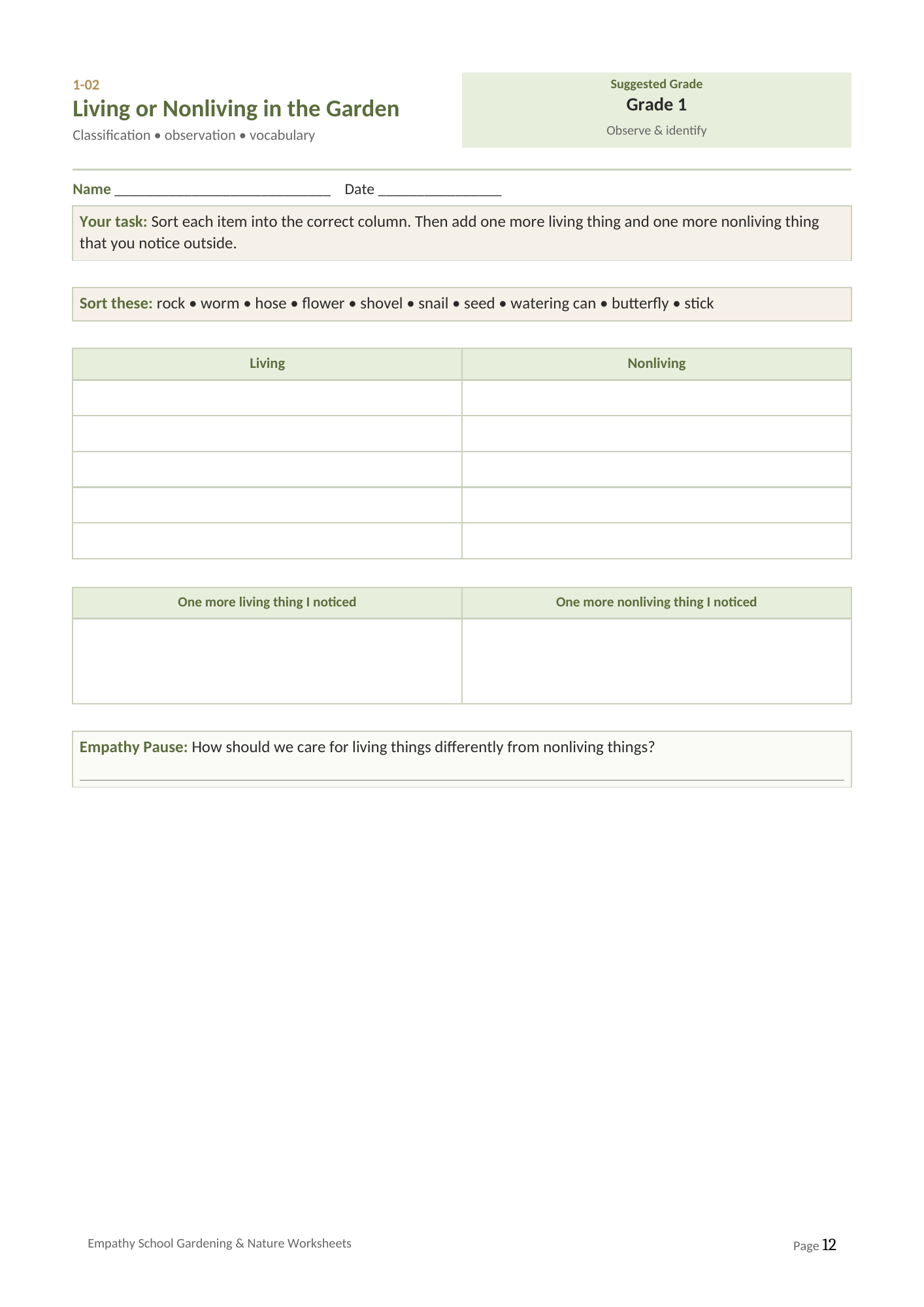
For the full social and emotional learning programme, see the Empathy Curriculum at empathy.kids.