Kitchen Scavenger Hunt
by Eric Gonzalez-Payne
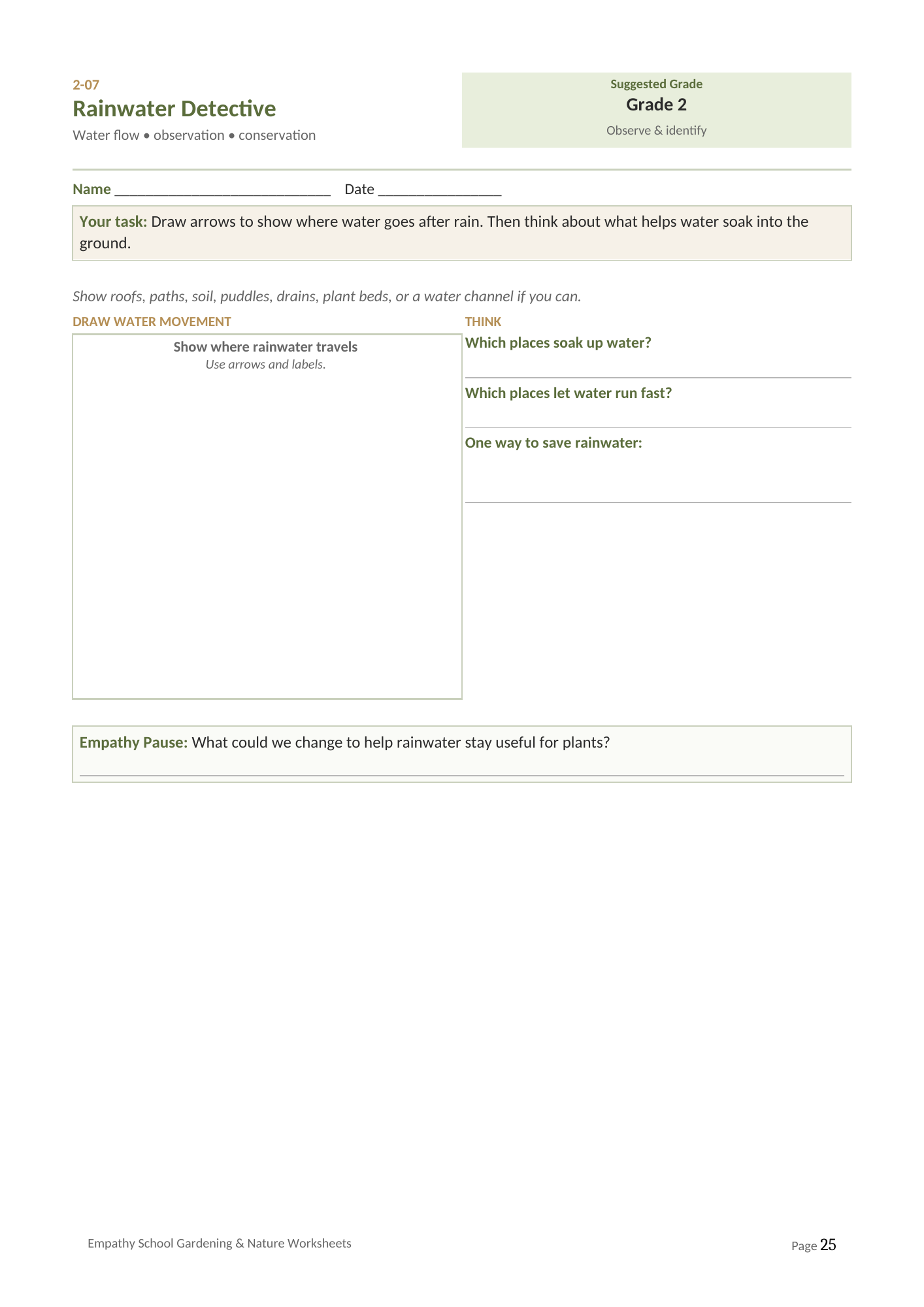
For the day nobody is going outside. It costs nothing and it teaches food origins better than a poster.
The hunt
Print it, write it on a scrap of paper, or just read it out. It works either way.
1. Something that grew on a tree
2. Something that grew under the ground
3. Something that grew on a plant but was not a fruit
4. Something that came from an animal
5. Something that travelled from another country
6. Something with more than five ingredients
7. Something with only one ingredient
8. The oldest thing in here
How to run it
Twenty minutes, in the kitchen, with permission to open cupboards. Item six and seven together are the interesting pair, because putting a long ingredients list next to a single ingredient makes a point without an adult having to make it.
Item five needs the packaging read, which is genuine literacy work.
For younger children
Four items, and let them carry each one to you. Tree, ground, animal, favourite.
For older children
Map the origins on a world map and add up the distances. Then discuss whether distance is actually the thing that matters, because it usually is not, and that is a better conversation.
What to do afterwards
Cook something using three of the finds. The hunt has an ending and everybody eats it.
More like this
Every hunt on this site is free and needs no preparation. See the Start Here pages if you want them ordered by age.
Eric Gonzalez-Payne
Founder and curriculum author
Ed.M. in Educational Leadership, Harvard Graduate School of Education
Published by Empathy Global LLC
LinkedIn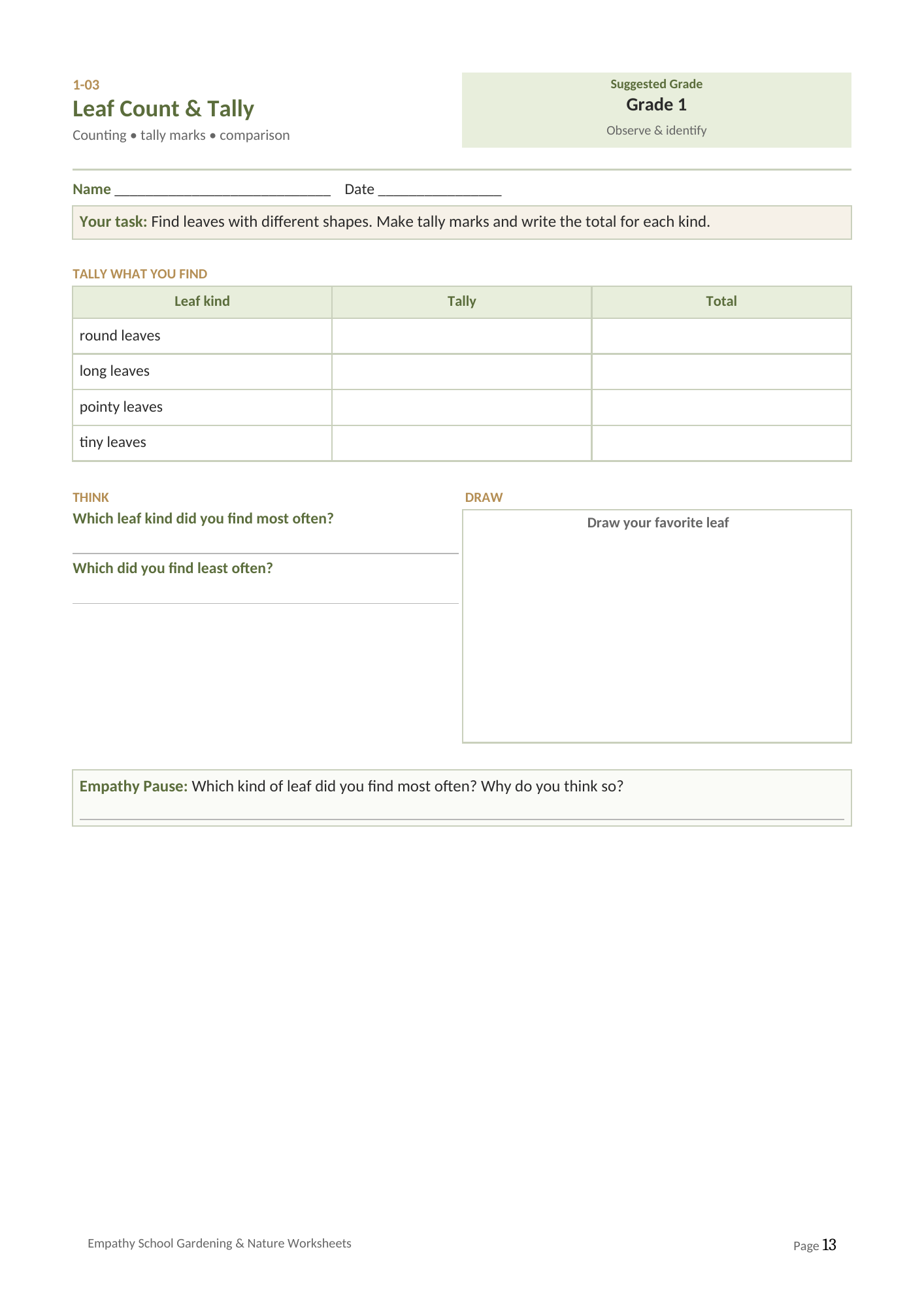
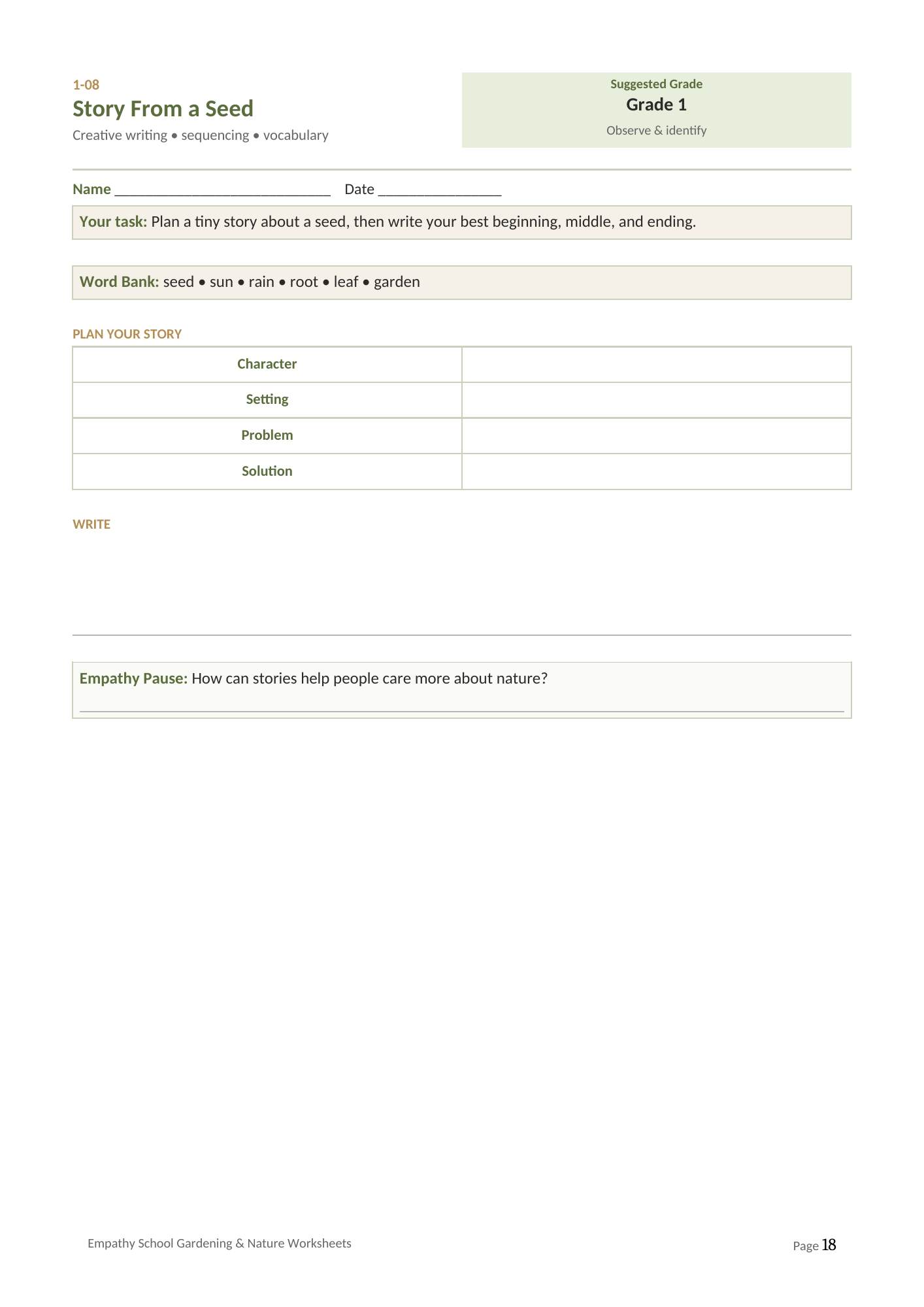
For the full social and emotional learning programme, see the Empathy Curriculum at empathy.kids.