Getting Parents On Board With Outdoor Learning
by Eric Gonzalez-Payne
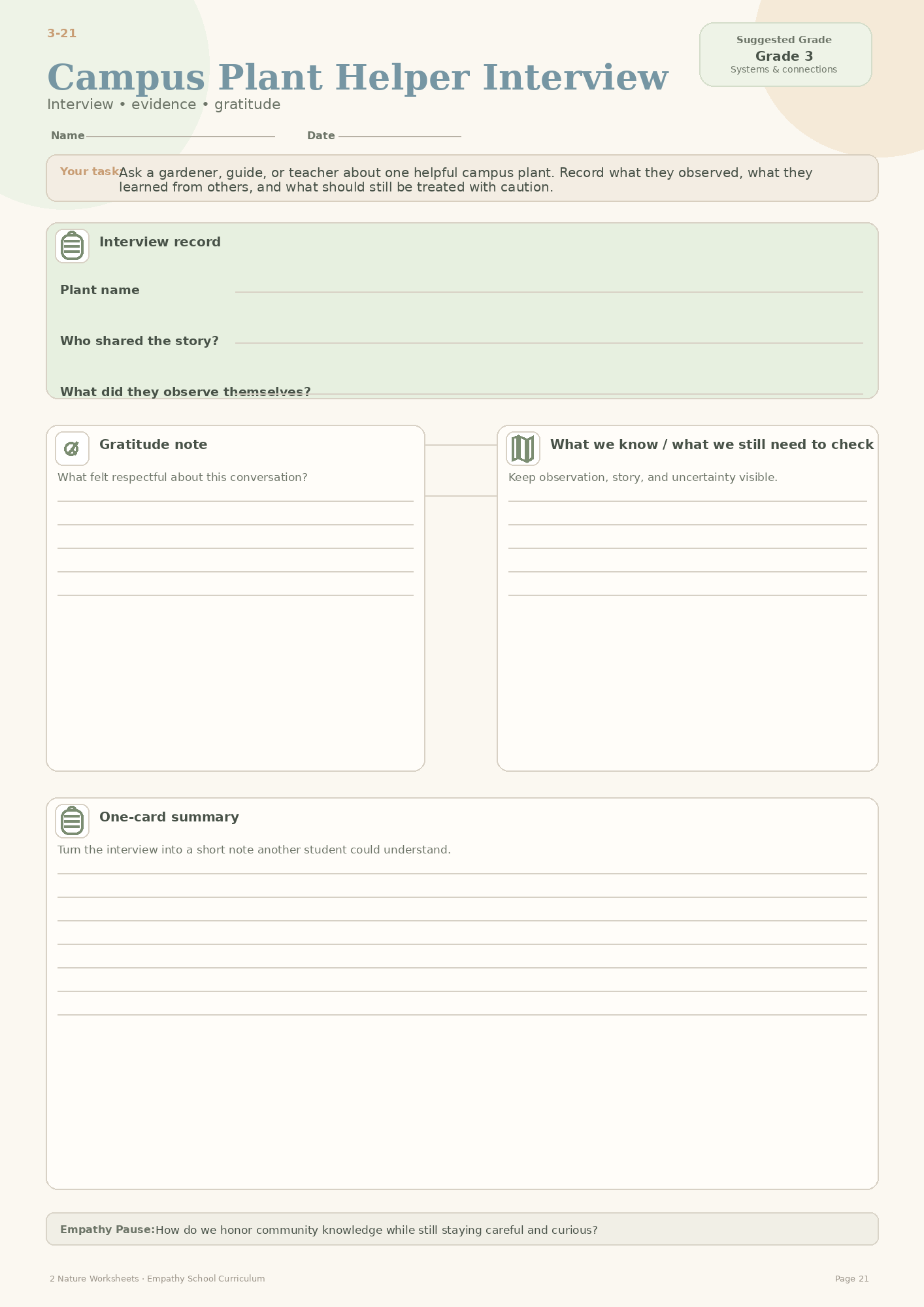
The objection is rarely about nature
It is about school readiness. A parent paying for education wants to know their child is learning to read and count, and an hour in a garden looks like an hour not doing that.
Arguing that nature is good for children does not answer this. It is not the question they asked.
Answer with the academic content
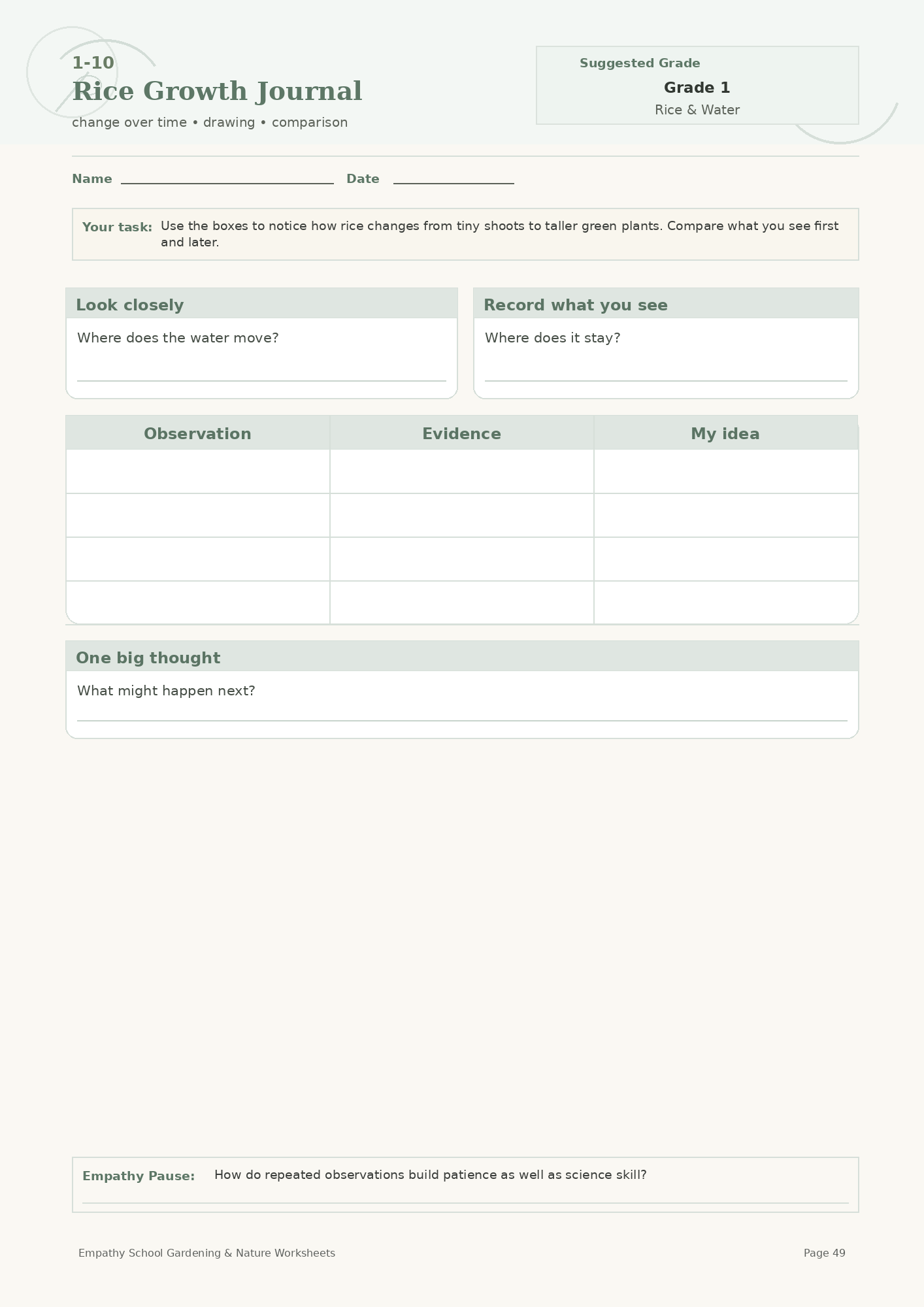
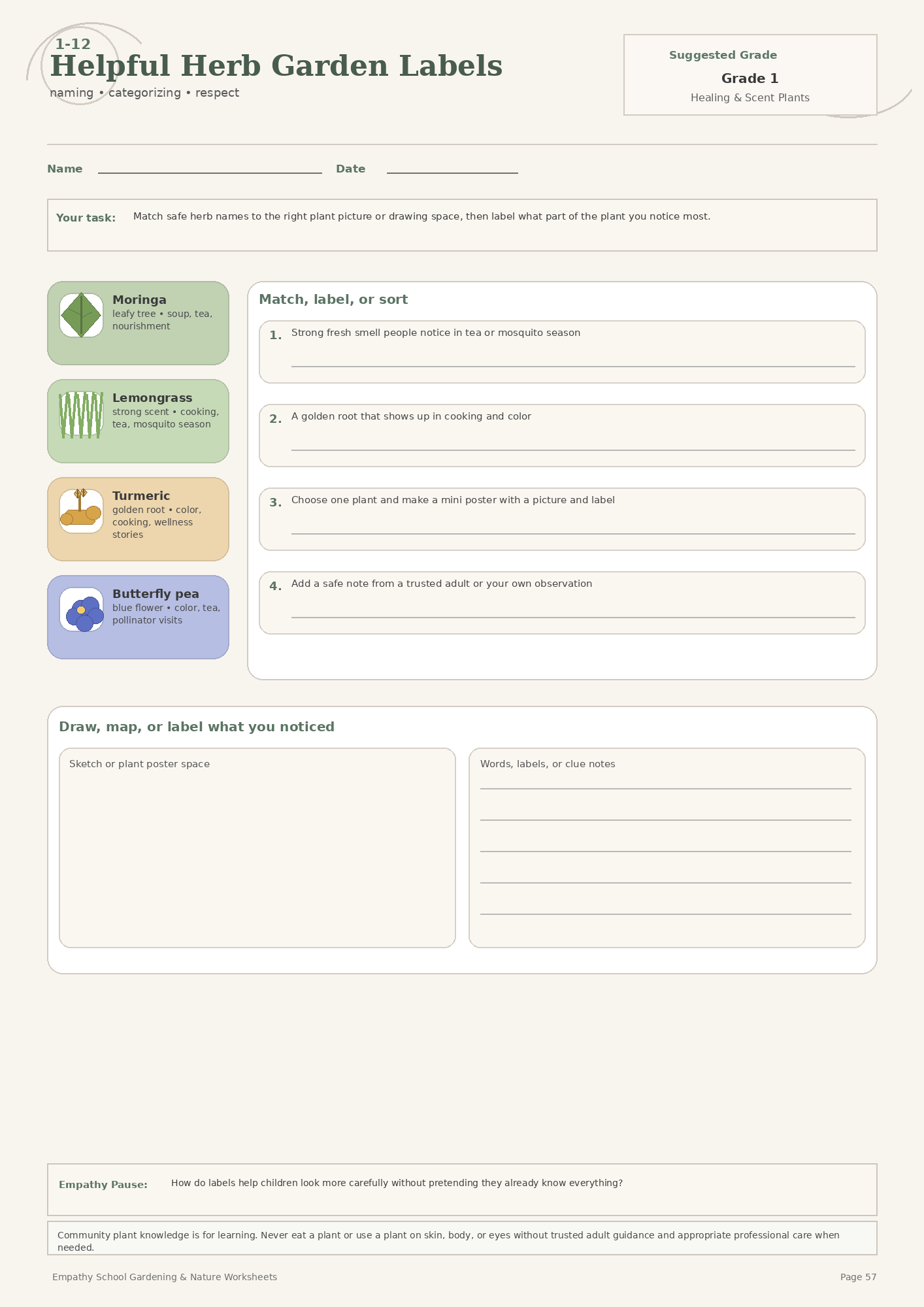
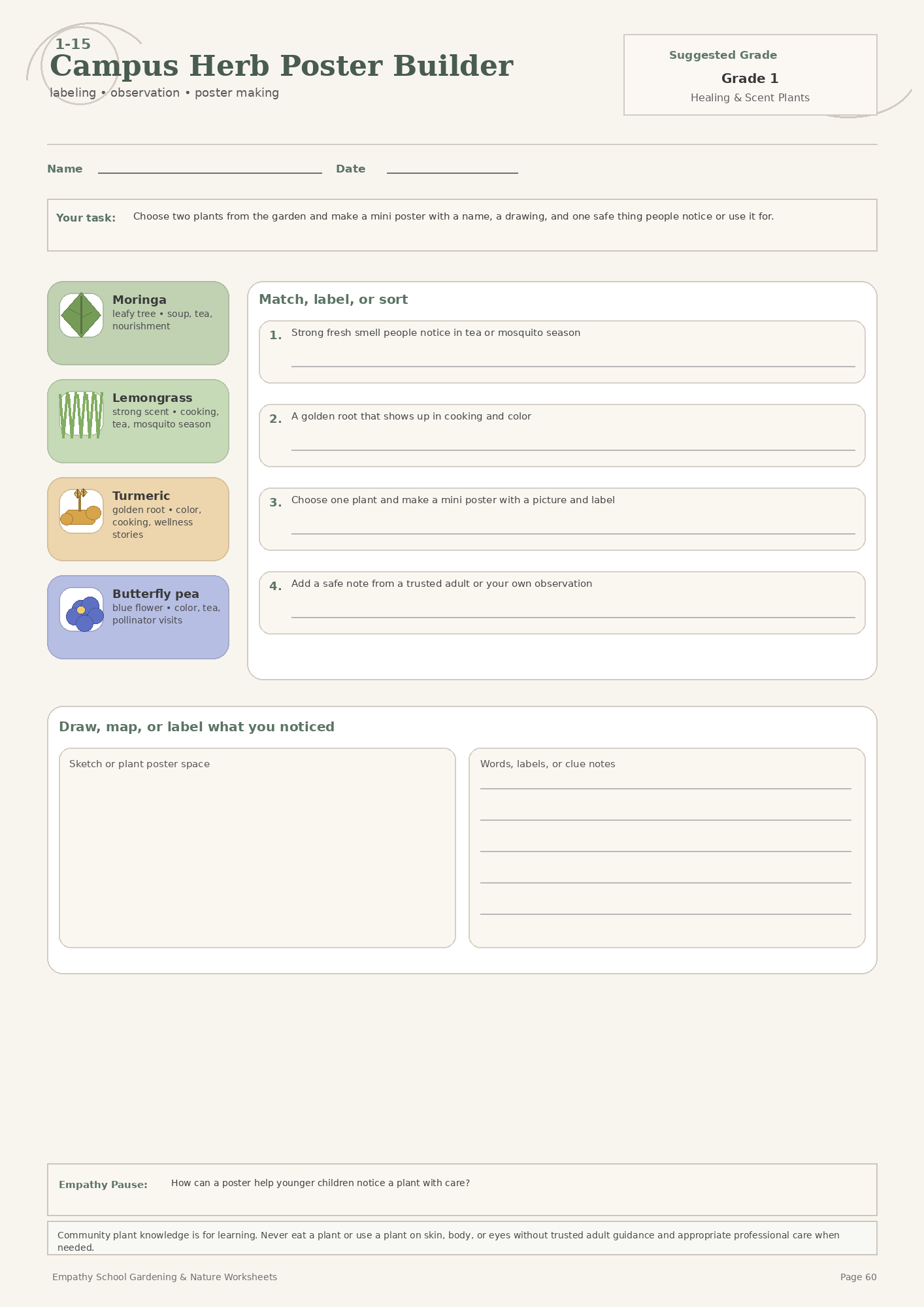
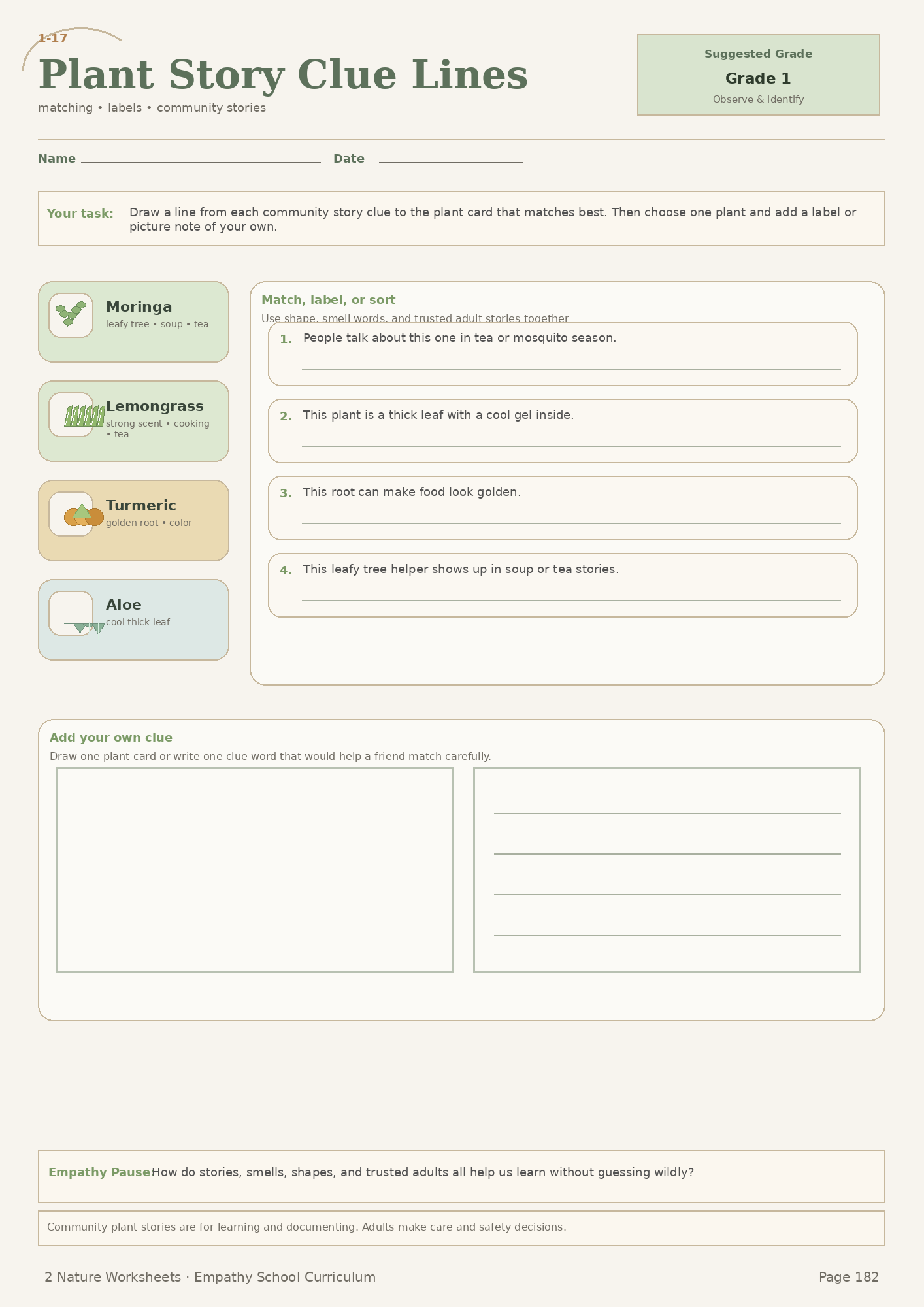
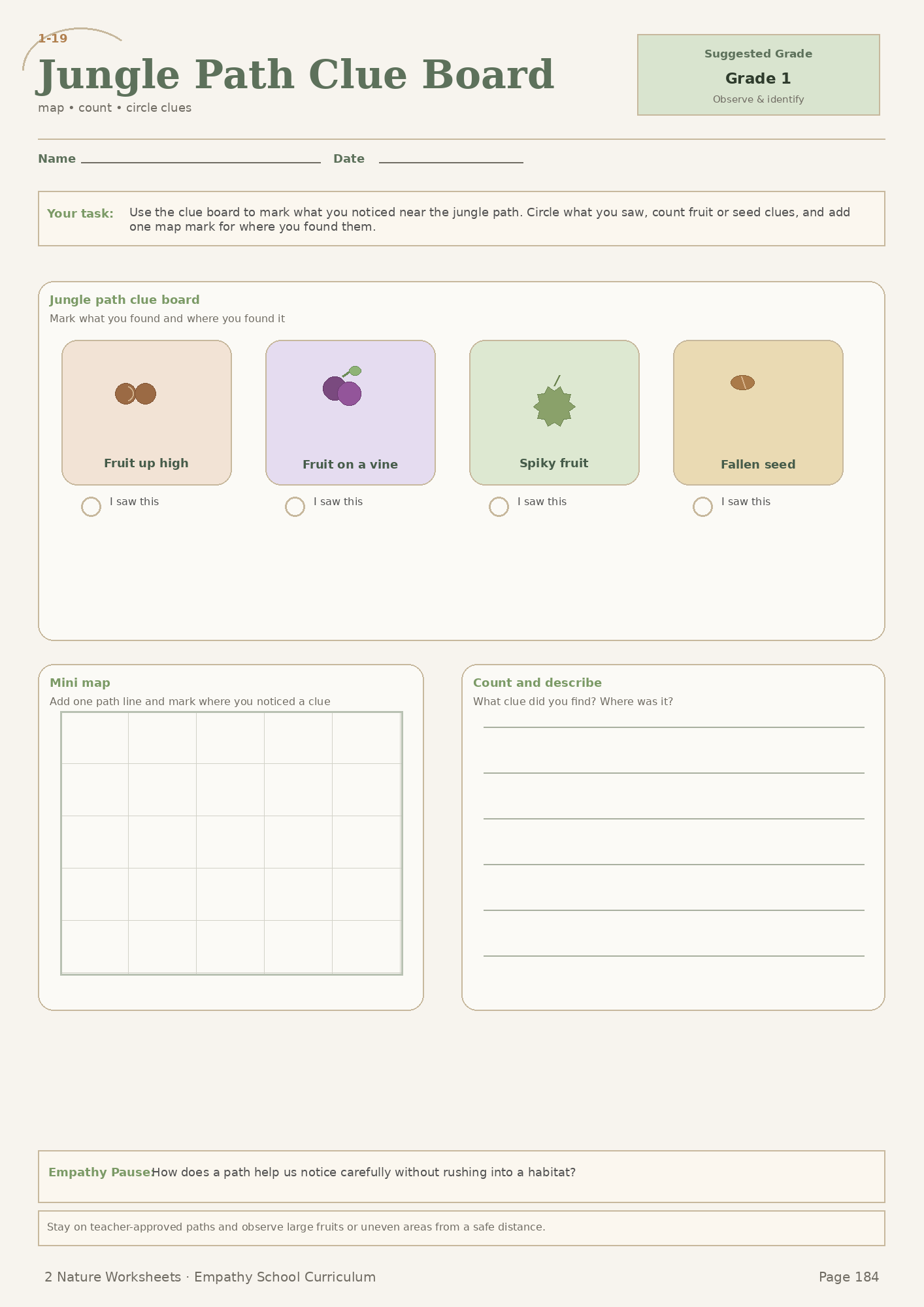
Show the maths. Show the writing. Show the recording sheet with tally marks and a graph on it. A parent who sees that the garden session produced measurement, comparison and a written conclusion stops objecting almost immediately.
This is why the recording matters as much as the activity.
Send home the thing the child made
Not a newsletter. The actual sheet, with the child's own handwriting and their own drawing on it. It goes on a fridge and it does more than any explanation you could write.
Deal with the mess question directly, in advance
Send one note before you start. What will happen, what to send, that clothes will get dirty, that there is a spare set at school. Every complaint we have had about mess came from a family who had not been told.
The dinner table moment does the rest
Once a child comes home and names a plant, tells a parent what it is used for, and explains why the mosquitoes stay away from it, you have won and you did not have to say anything.
That moment is worth designing for deliberately. It is why the medicinal and use content matters more than it looks.
Invite them in
One session a term where families come and do the activity. Parents who have crushed a lemongrass leaf themselves stop asking what the point is.
Eric Gonzalez-Payne
Founder and curriculum author
Ed.M. in Educational Leadership, Harvard Graduate School of Education
Published by Empathy Global LLC
LinkedIn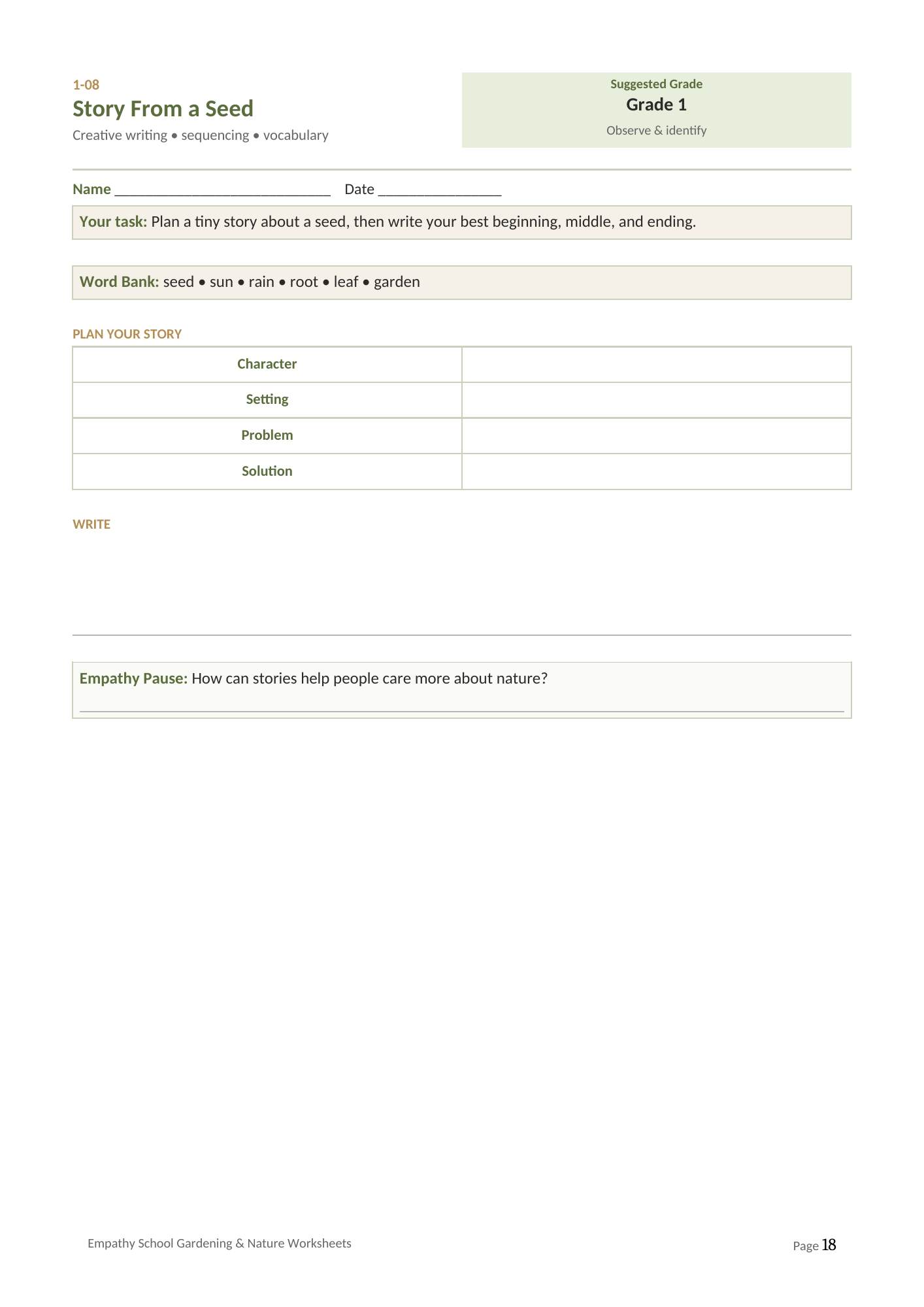
For the full social and emotional learning programme, see the Empathy Curriculum at empathy.kids.