Recording and Assessing Outdoor Learning
by Eric Gonzalez-Payne
The problem
Outdoor learning gets cut because it cannot be evidenced. Everything else in the timetable produces a mark and this produces a memory.
Fix that and the sessions survive.
Record what the child produced, not what you observed
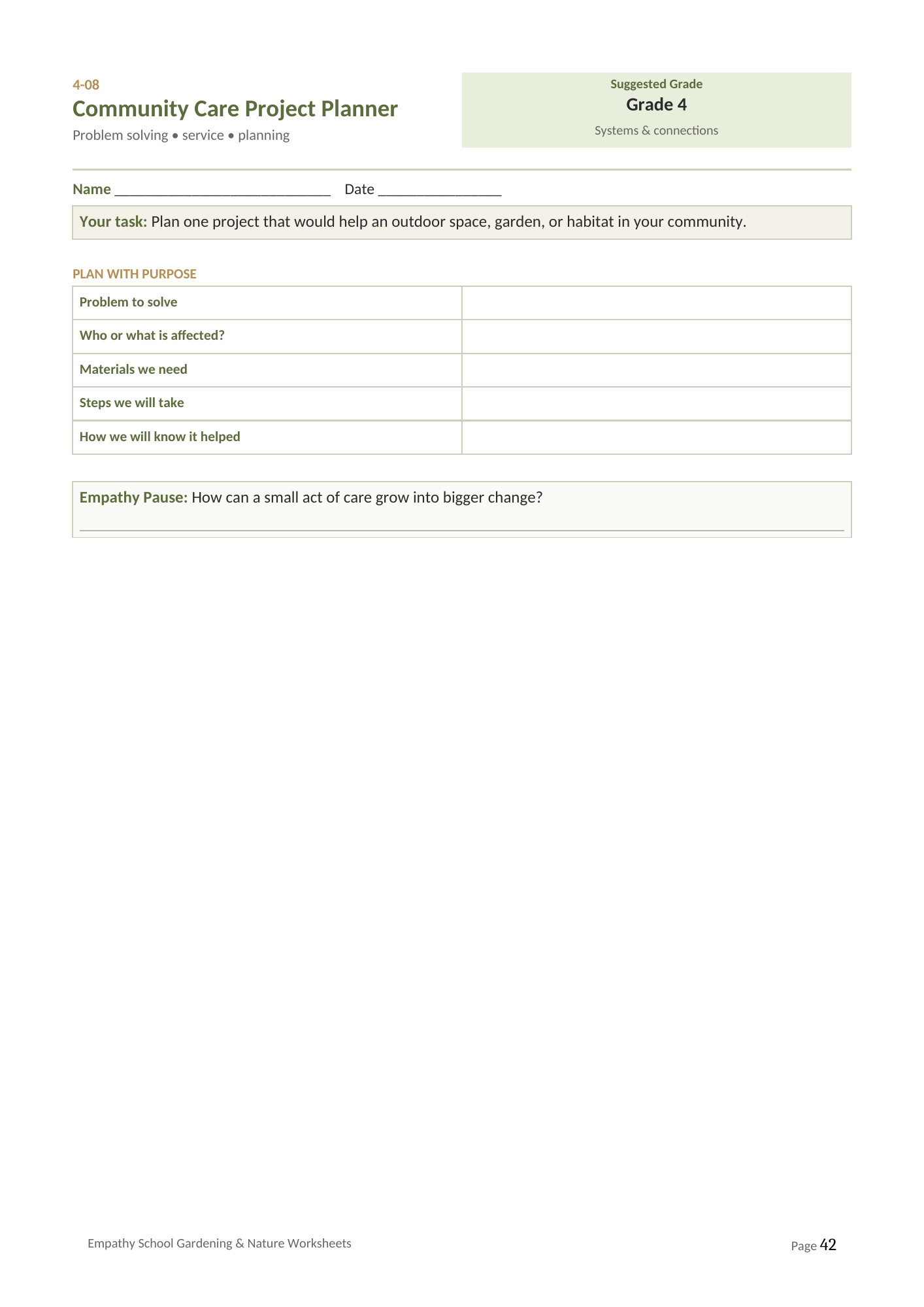
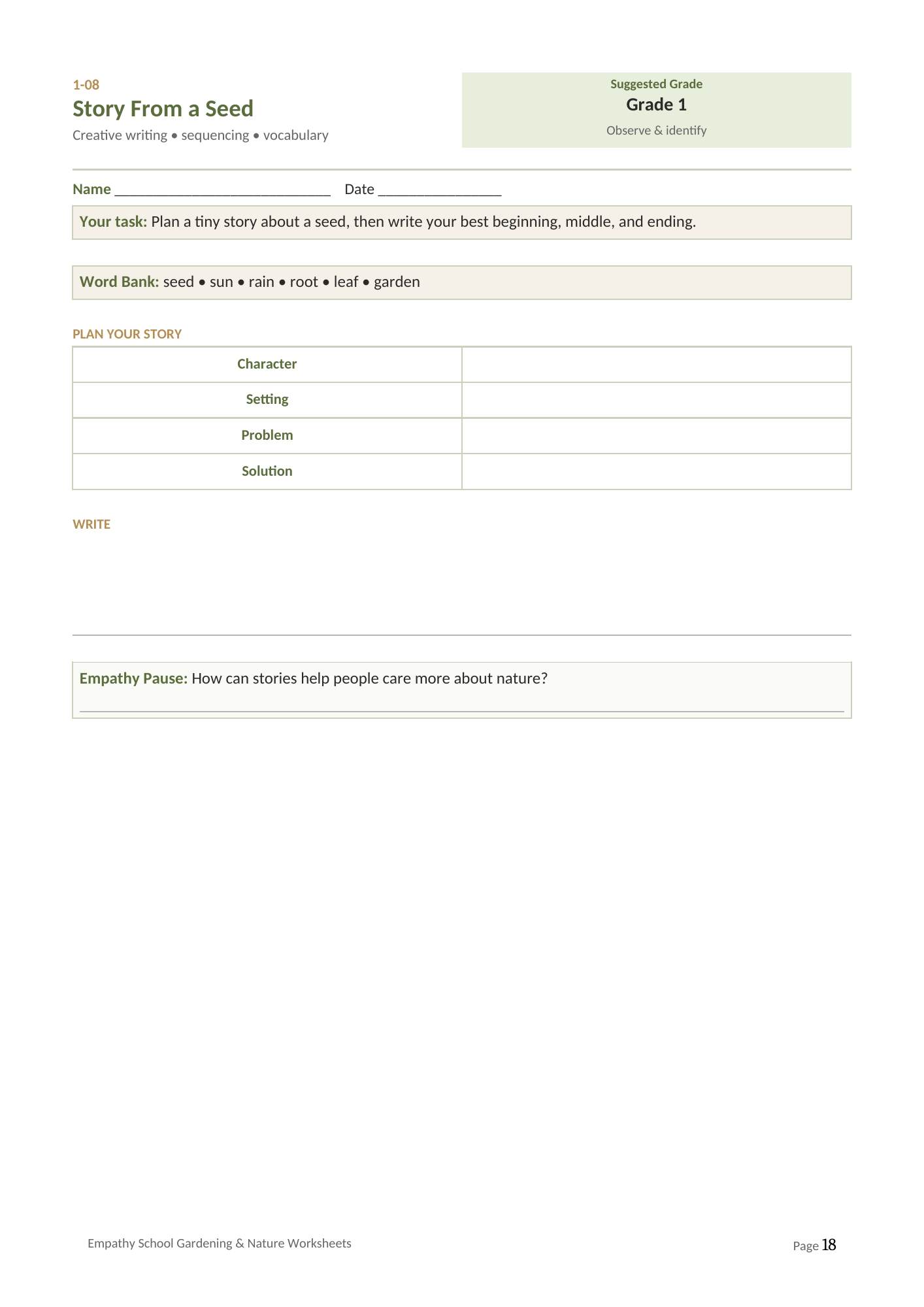
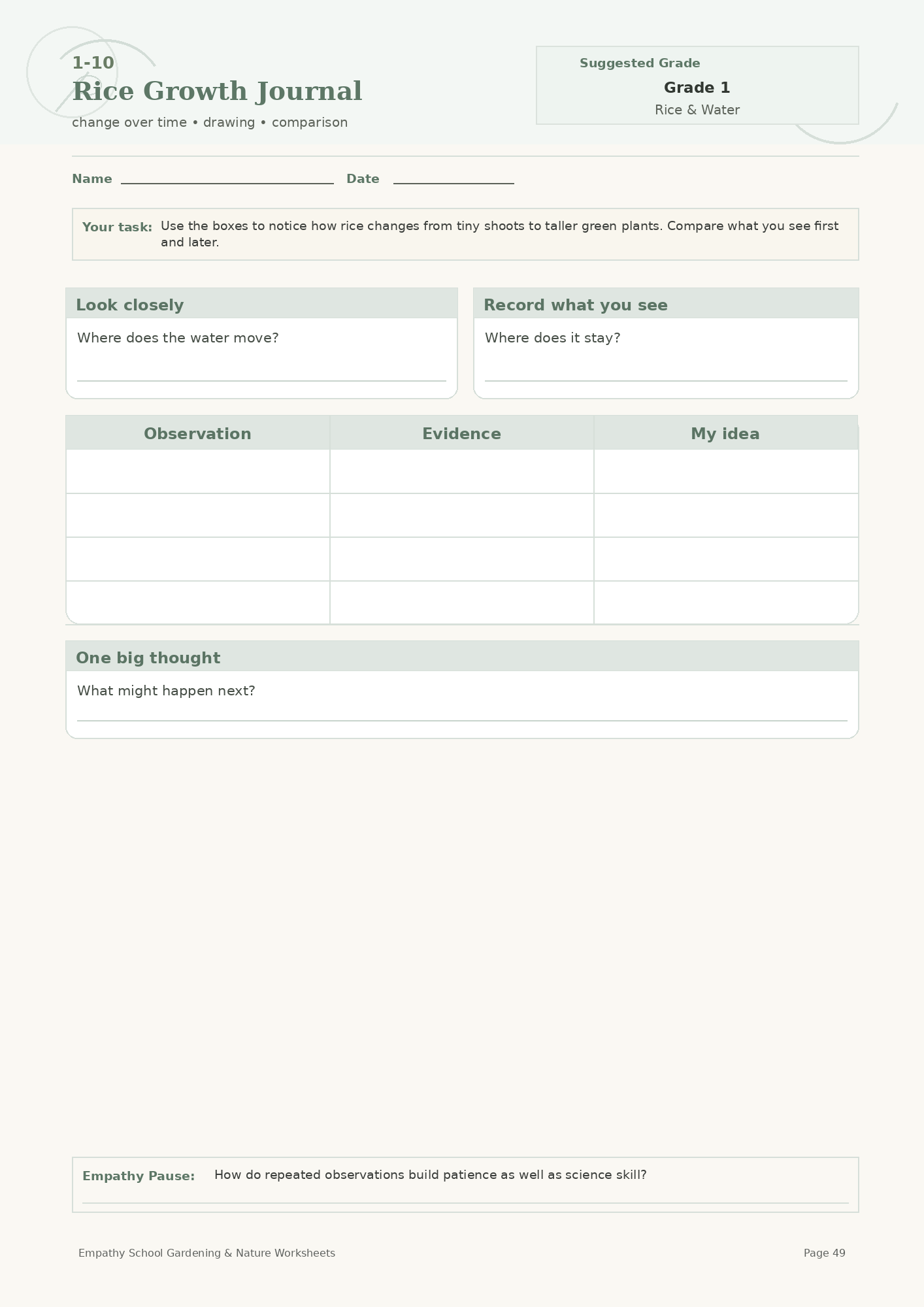
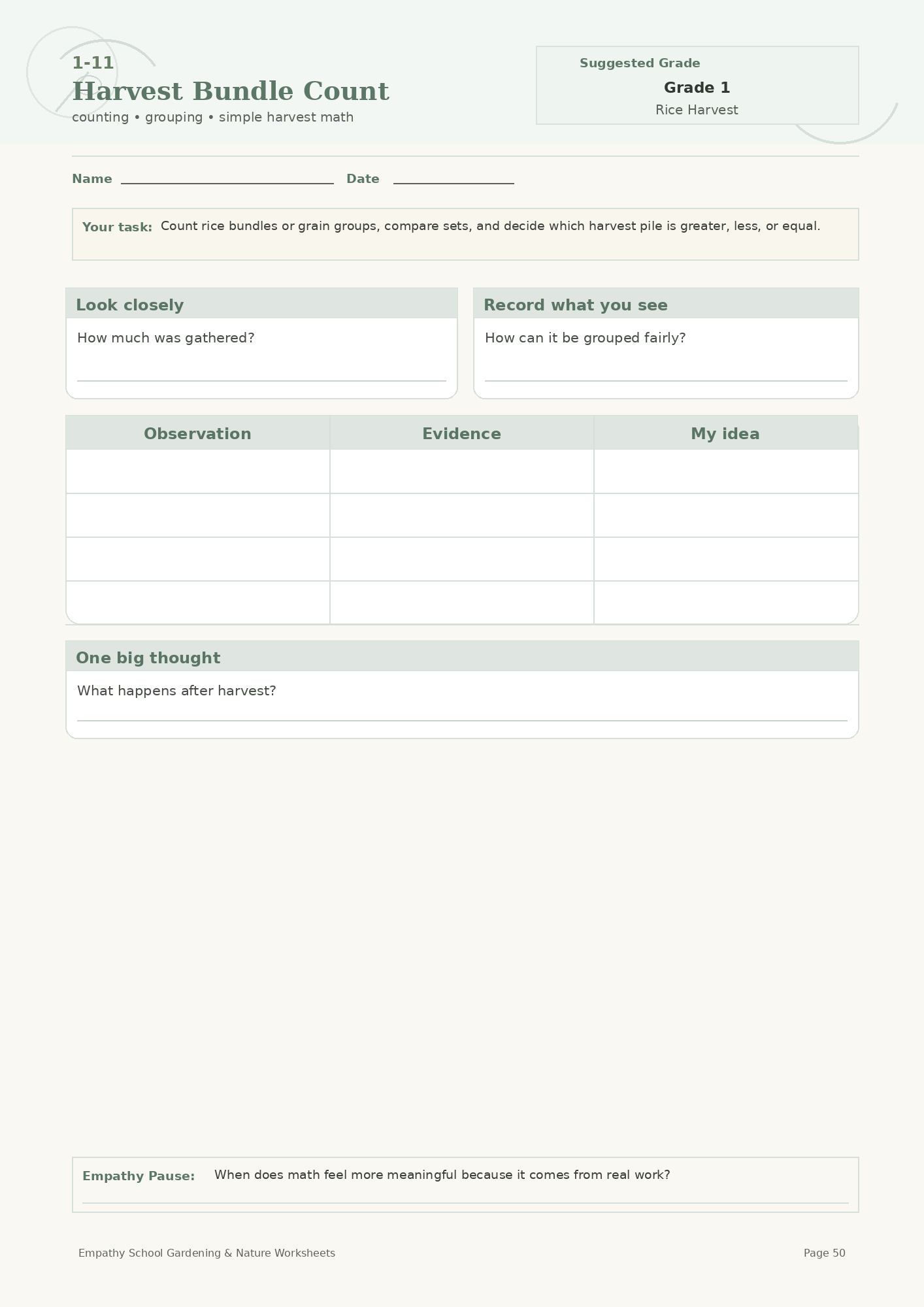
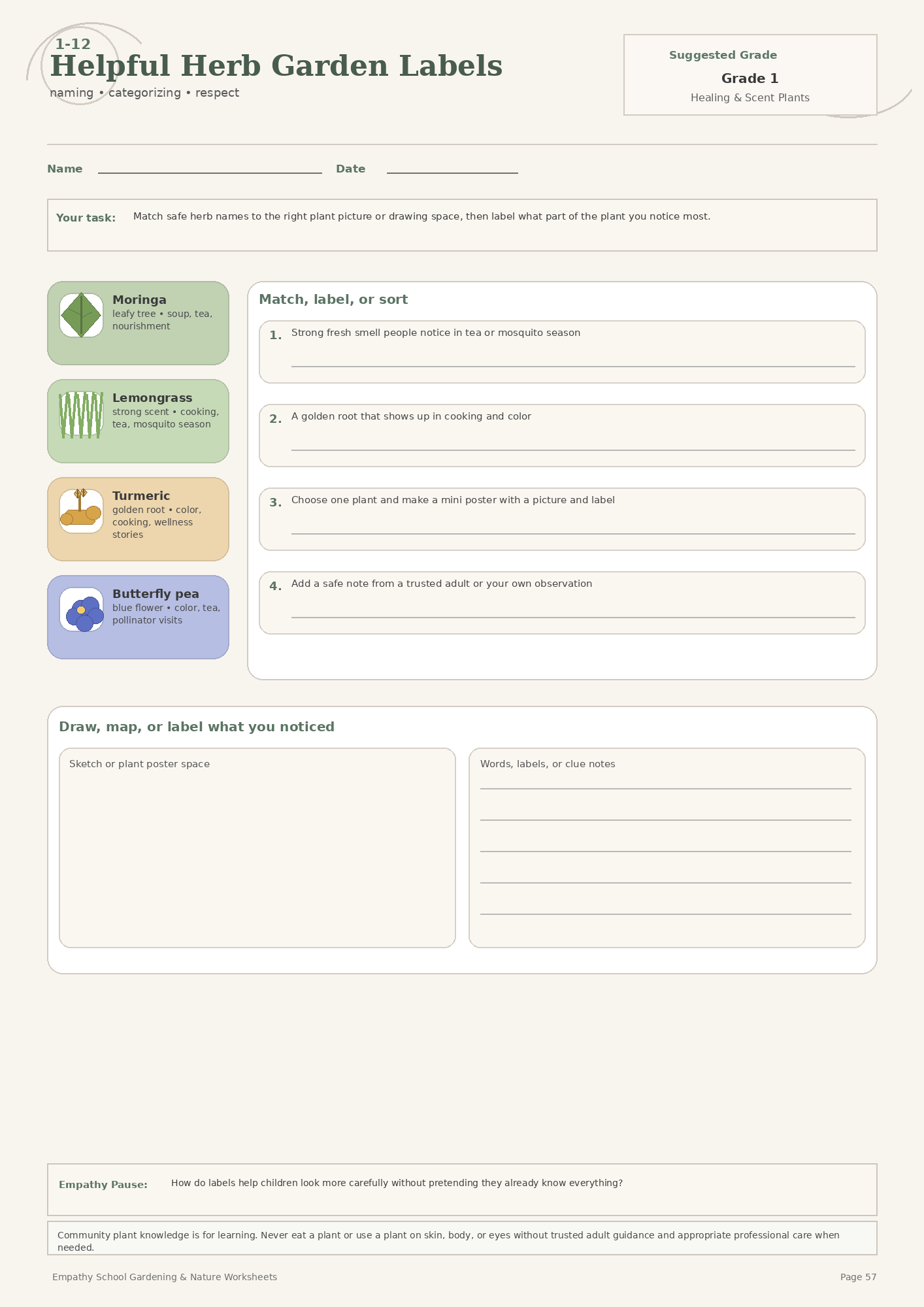
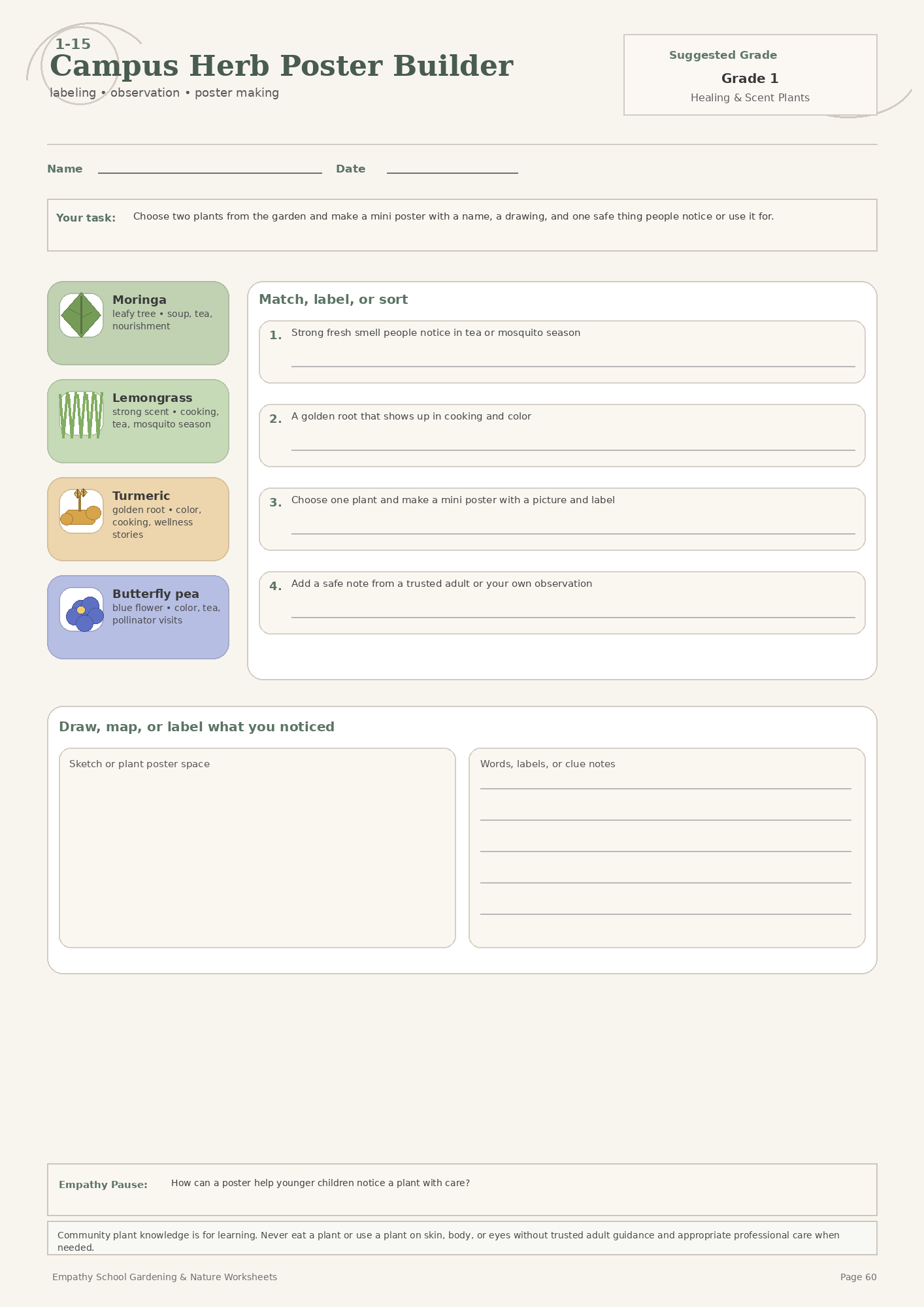
Observation notes are work for you and mean little to anyone else. A tally sheet, a drawing, a labelled diagram, a graph, a conclusion in the child's handwriting, all of these are evidence that speaks for itself.
Design every session so it produces one artefact. That single habit changes the position of outdoor learning in a school.
Keep them in order
A term of dated sheets from one child, stapled together, is a progress record. The same sheets loose in a tray are nothing. The stapling is the work.
Photograph the transient things
A pattern made from garden materials lasts eleven minutes. A photograph of it lasts forever and takes four seconds.
Use the child's own words
Scribe one sentence per session for children who cannot yet write it themselves. What did you notice. Write it exactly as they say it, including the parts that are wrong.
Those sentences over a term show reasoning developing more clearly than any checklist.
Do not build a rubric
Every school that tries to score outdoor learning against levels ends up either inventing meaningless criteria or quietly stopping. The artefacts are the assessment. Let somebody look at them.
What to show a parent or an inspector
Three sheets from September, three from March, from the same child. Nothing else is needed and nothing else is as convincing.
Eric Gonzalez-Payne
Founder and curriculum author
Ed.M. in Educational Leadership, Harvard Graduate School of Education
Published by Empathy Global LLC
LinkedIn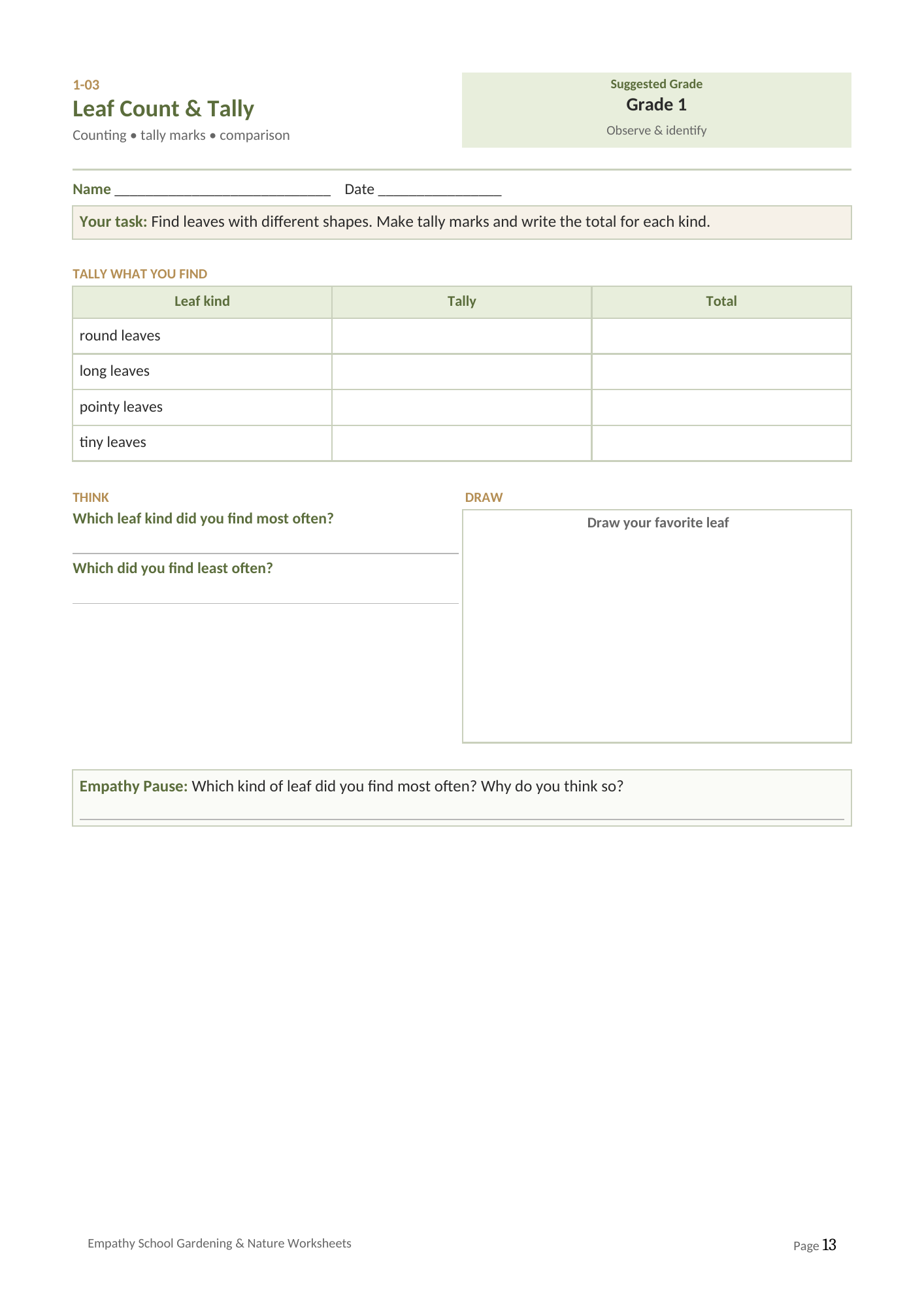
For the full social and emotional learning programme, see the Empathy Curriculum at empathy.kids.