Planning a Year of Outdoor Learning
by Eric Gonzalez-Payne
One session a week, forty minutes, all year. That is enough to change what a class knows and it is sustainable, which more ambitious plans are not.
The shape of a year
Term one: routines and observation. Boundary, listening, hunts, drawing from life. Build the habit before the content.
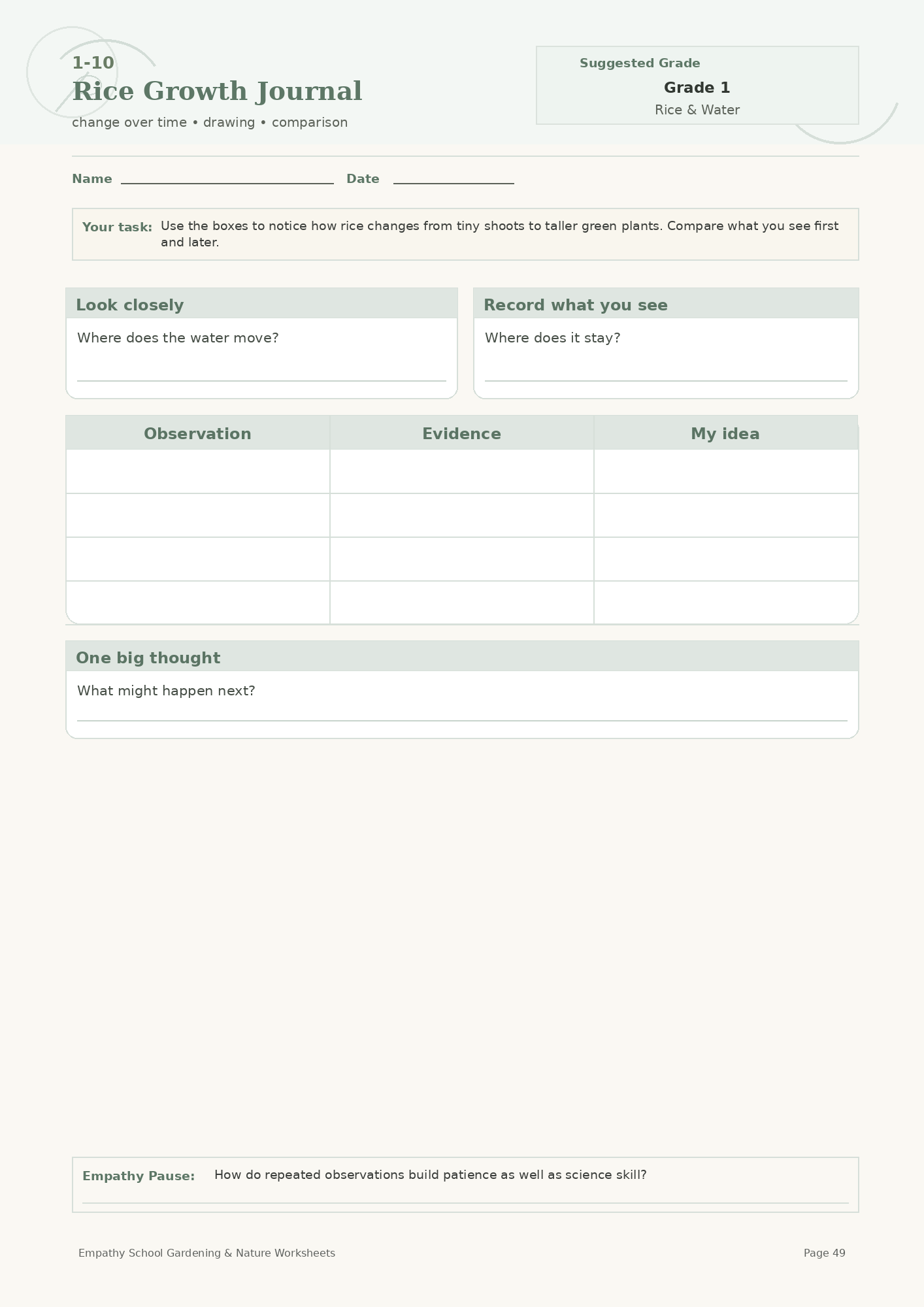
Term two: one long study. A single spot observed weekly, or one crop grown from seed to harvest. Slow change made visible is the hardest thing to teach and this is where it happens.
Term three: investigation. Fair tests, transects, surveys, counts. By now the group can work independently enough to run a real method.
Term four: production and handover. Exhibition, guides, signage, and the garden handed on to next year's class in a state they can use.
What to fix in advance
The day and time. Not when we can. Thursday at ten, in the diary, defended.
The spot. Same place every week for the long study.
Who waters in the holidays, in writing, by name.
What to leave loose
Everything else. A plan with forty sessions specified will be abandoned by week nine. A plan with four terms and one weekly slot survives.
Build the record from day one
One dated artefact per session per child, stapled together by term. That folder is what protects outdoor learning when the timetable comes under pressure, and it is what convinces a parent, a head teacher or an inspector without anybody having to argue.
Related
Outdoor Learning: A Teacher's Starting Point is the full set of pages behind this plan.
Eric Gonzalez-Payne
Founder and curriculum author
Ed.M. in Educational Leadership, Harvard Graduate School of Education
Published by Empathy Global LLC
LinkedIn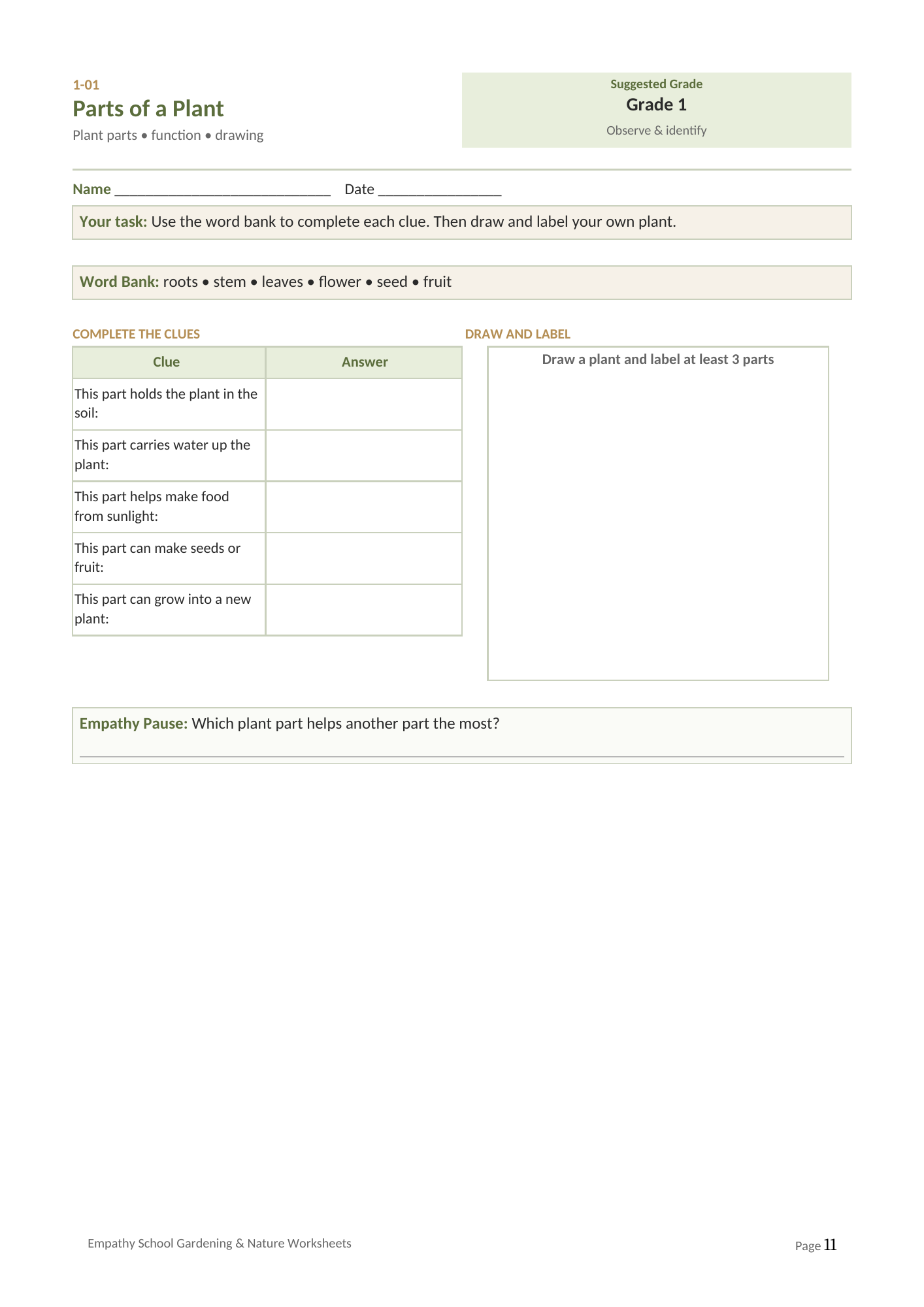
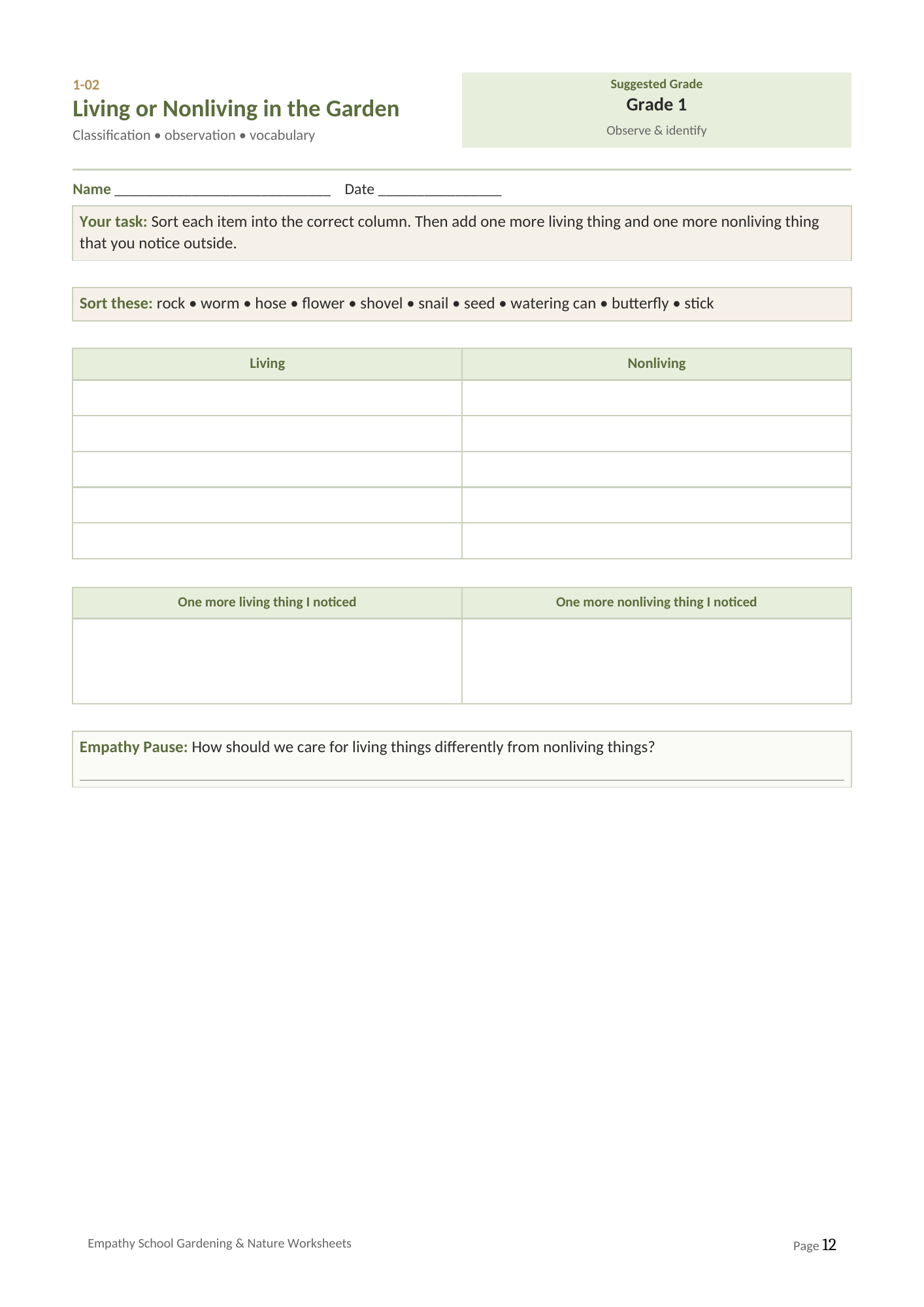
For the full social and emotional learning programme, see the Empathy Curriculum at empathy.kids.