Teaching Three Age Groups at Once
by Eric Gonzalez-Payne
Change the question, not the activity
Everyone in the room does the same thing. What differs is what you ask them about it.
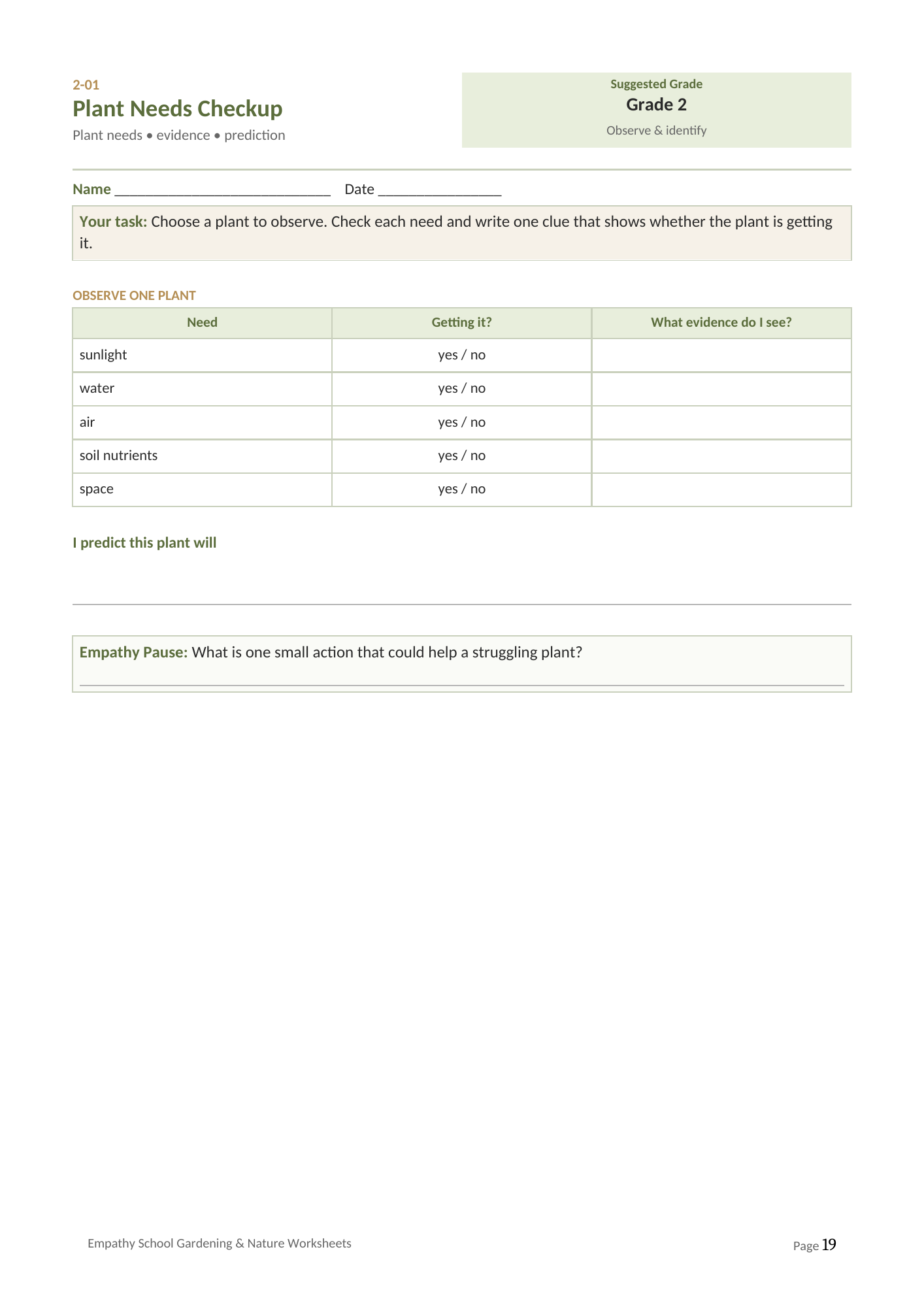
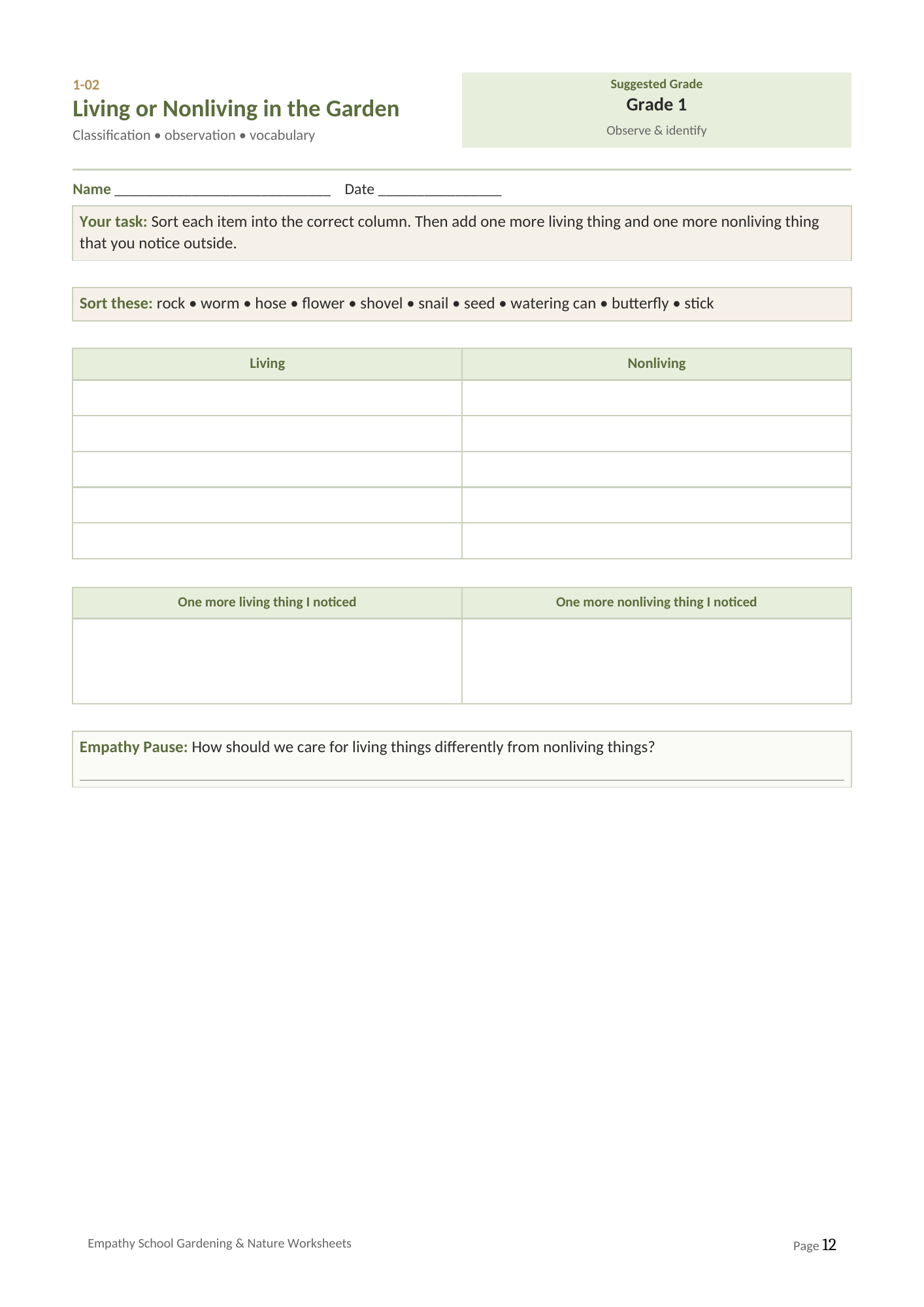
One leaf. The four year old sorts leaves into big and small. The seven year old measures and records them. The eleven year old asks why the leaves at the top of the plant are smaller than the ones at the bottom.
Same leaf, same table, same session. Three genuinely different pieces of work.
The alternative, three separate activities running at once, requires three adults and produces a room where nobody is quite getting your attention.
The part people miss
Each level needs its own end point, and they have to land at roughly the same time.
If the youngest child finishes in four minutes and the oldest has twenty minutes left, you now have a behaviour problem rather than a lesson. Write down what finished looks like for each level before you start, and pad the youngest task with a repeat or an extension.
Let the older ones teach
Not as a favour to you. Explaining something to a five year old is where a ten year old discovers what they only half understood, and it is the fastest diagnostic you will ever get.
Give it a name and a rotation so it does not always fall to the same child.
Roles beat instructions
Two children and one activity is a negotiation. Two children with named jobs is a team. Recorder, measurer, checker, reader. Rotate on a written schedule, because rotation by memory quietly stops and the oldest ends up doing everything again.
Eric Gonzalez-Payne
Founder and curriculum author
Ed.M. in Educational Leadership, Harvard Graduate School of Education
Published by Empathy Global LLC
LinkedIn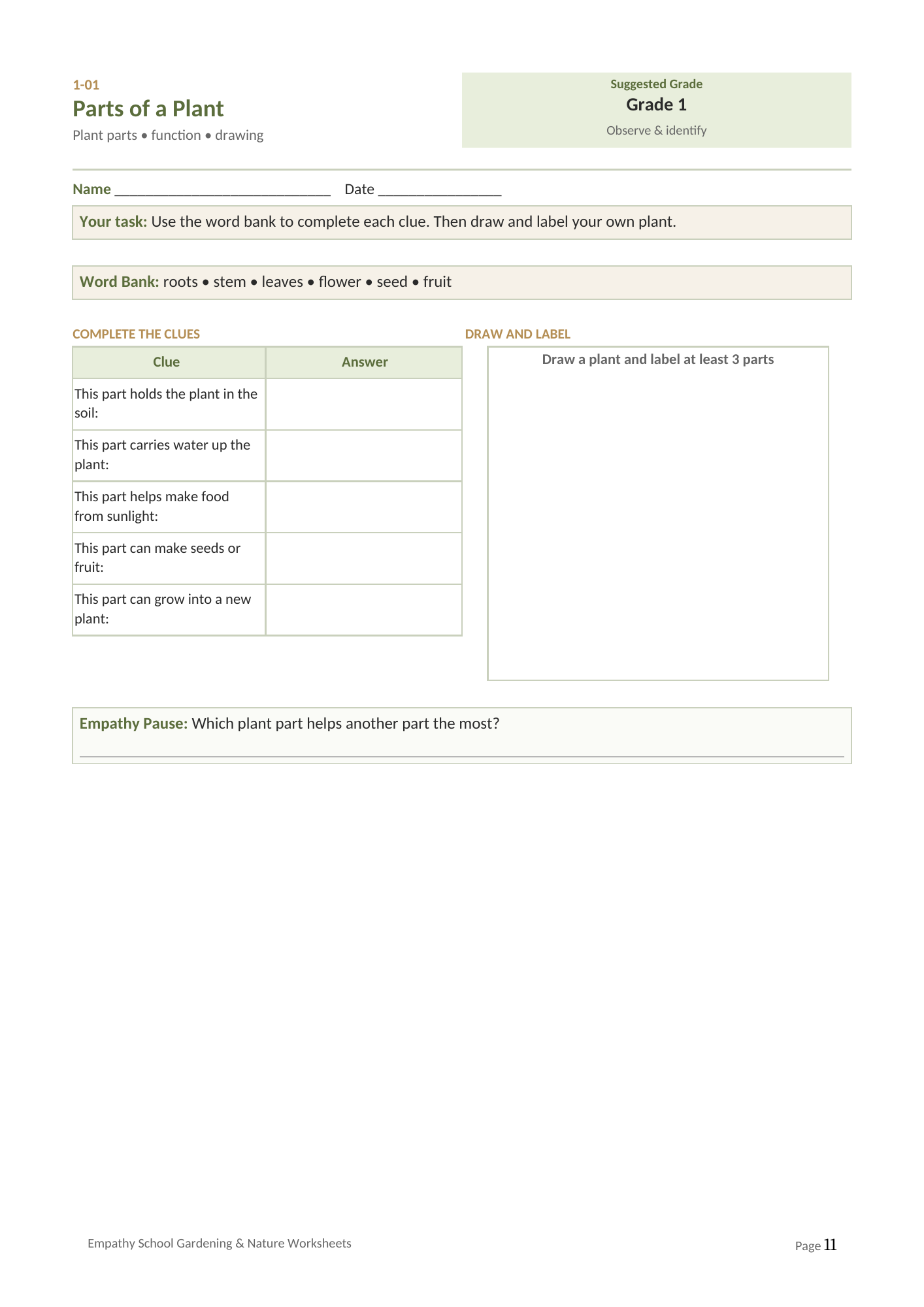
For the full social and emotional learning programme, see the Empathy Curriculum at empathy.kids.