How to Start a School Garden With No Budget
by Eric Gonzalez-Payne
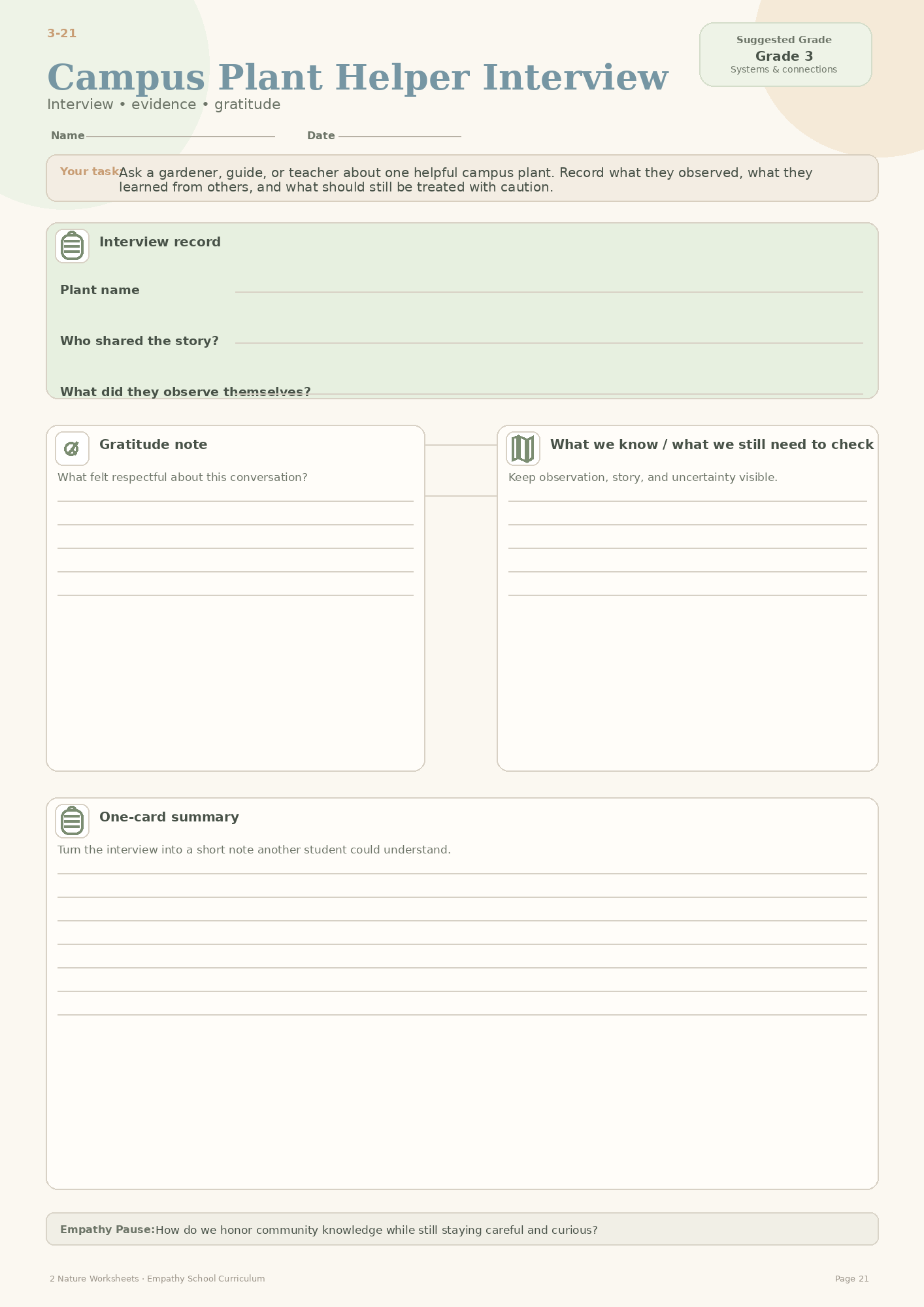
Start smaller than you want to
The single most common way a school garden fails is that it was too big on day one. Somebody clears twenty square metres in a burst of enthusiasm, and by week six it is a weed patch that everyone feels guilty about.
Start with four containers. Not a bed. Four containers, in a place you walk past every day.
What you actually need, and where it comes from free
Containers. Rice sacks, paint buckets from a building site, broken drawers, halved plastic drums, tyres if your school allows them. Punch drainage holes. Nothing needs to match.
Soil. Do not buy potting mix. Mix whatever soil you have with compost, and if you have no compost yet, use fallen leaves that have already broken down under a tree. There is usually a decade of it sitting somewhere on any tropical site.
Plants. Almost everything on this site propagates free. Lemongrass splits. Sweet potato roots from a cutting. Kangkung roots in water. Ginger and turmeric grow from a piece bought at the market. Pandan splits from a clump. Ask three parents for cuttings and you will have more than you can plant.
Water. Solve this before anything else. A garden more than about fifteen metres from a tap will die, because somebody has to carry water every single day and eventually they will not.
The first month
Week one, place the containers and fill them. Week two, plant three things that grow fast so something visible happens. Week three, set the watering rota with named children. Week four, plant something slower.
What I got wrong
We built beds before we had a watering routine. Twice. Both times the plants were fine for a month and dead by the end of the term holiday. The rota is the garden. Everything else is decoration.

Eric Gonzalez-Payne
Founder and curriculum author
Ed.M. in Educational Leadership, Harvard Graduate School of Education
Published by Empathy Global LLC
LinkedIn
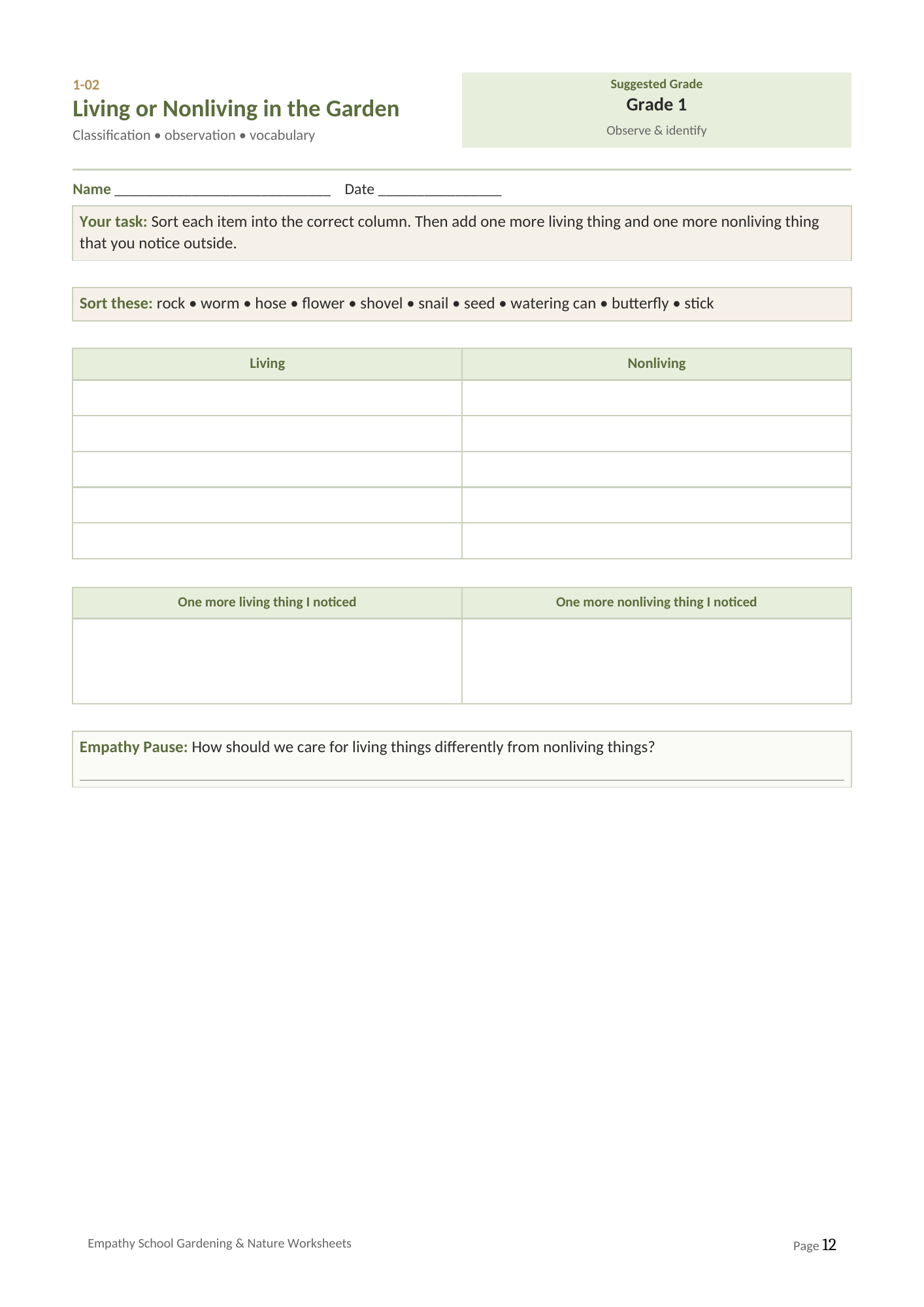
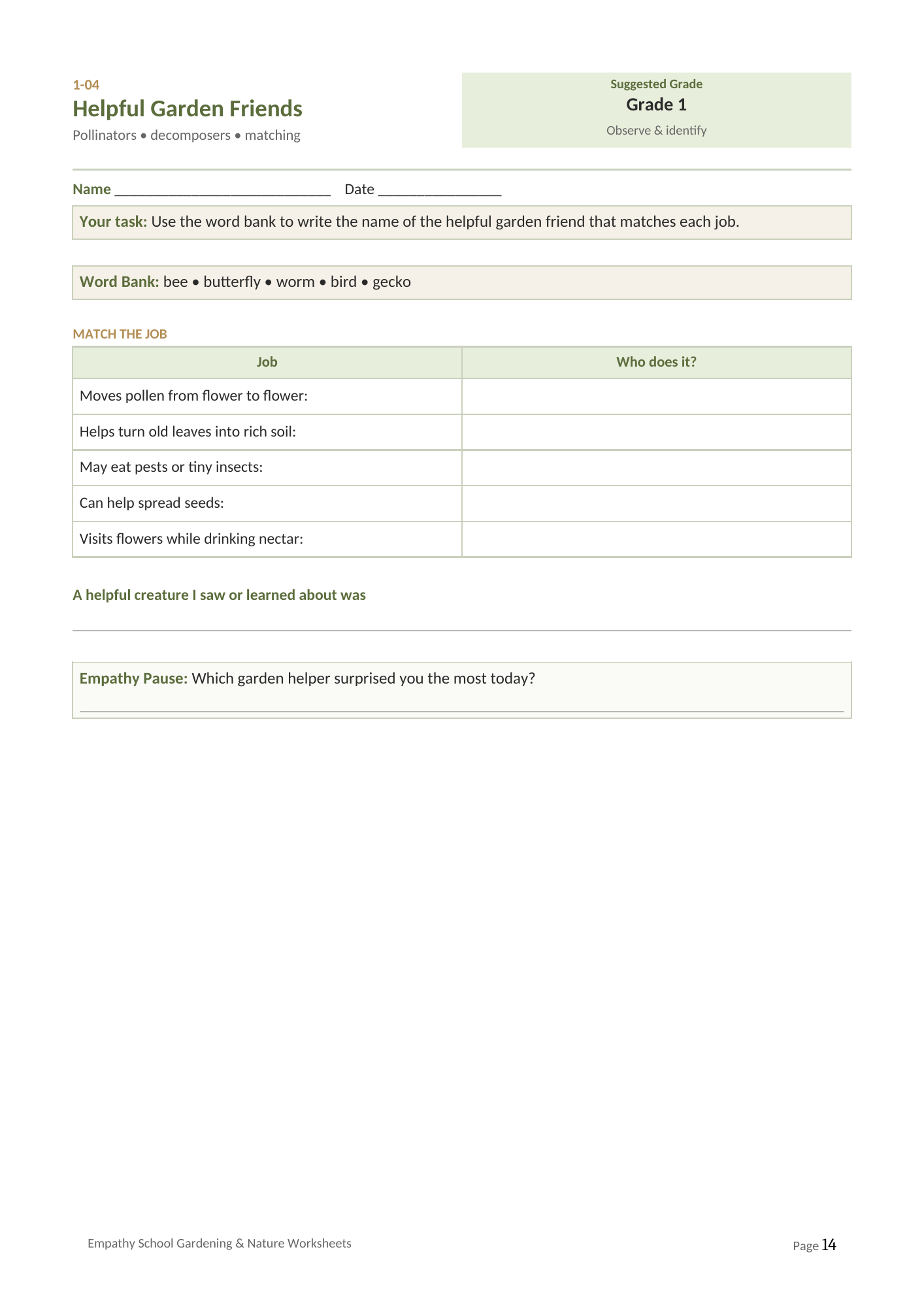
For the full social and emotional learning programme, see the Empathy Curriculum at empathy.kids.