A Nature Corner With No Outdoor Space
by Eric Gonzalez-Payne
This is the normal situation
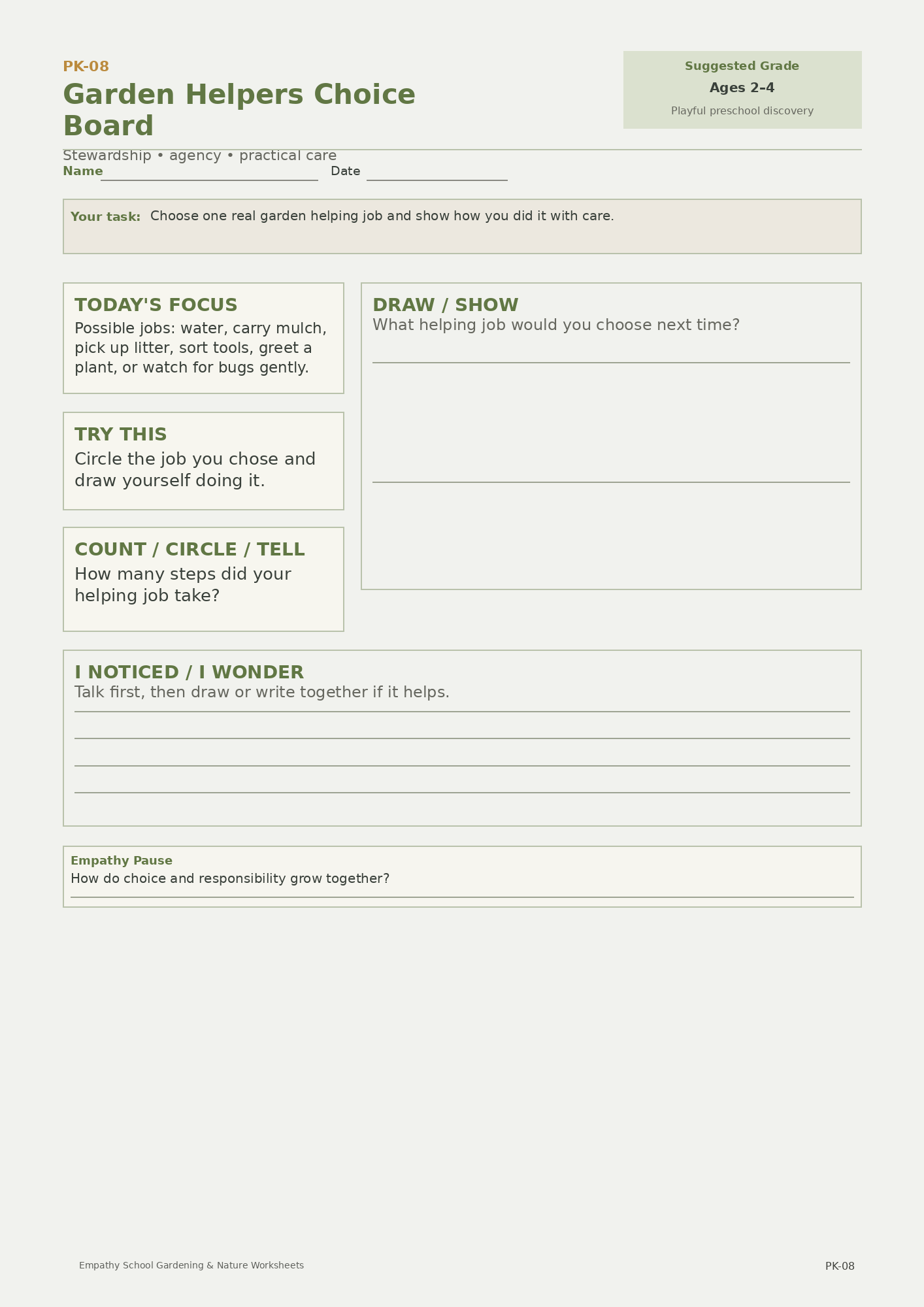
Most early years centres in cities have no garden. Material that assumes woodland is useless to them, and it puts teachers off the whole idea.
You need a table, a window, and about a metre of wall.
The five things worth having
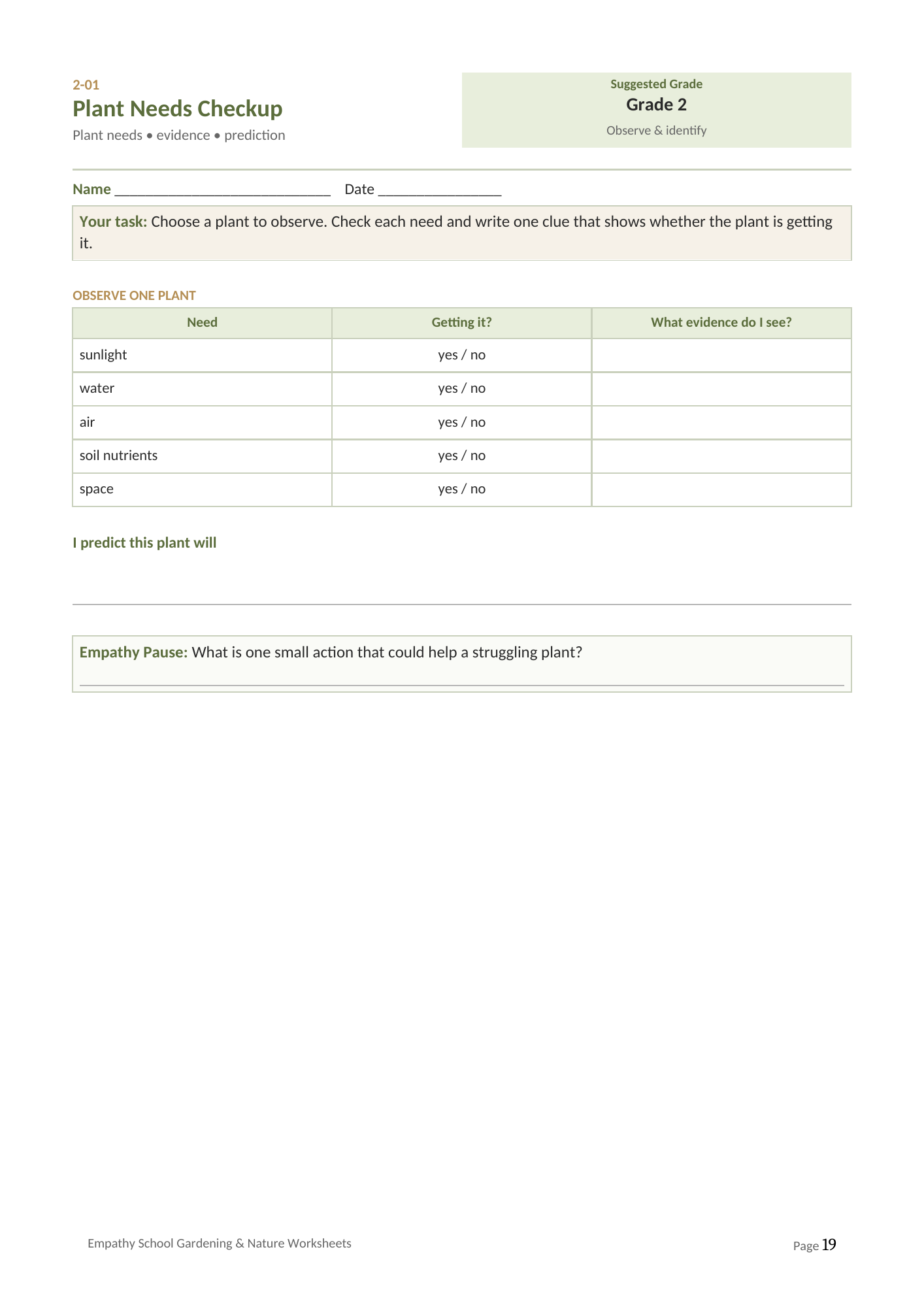
A growing station. Three pots on the windowsill, replanted every few weeks with something fast. Mung bean in a clear jar against the glass so roots are visible is the single highest value thing on this list.
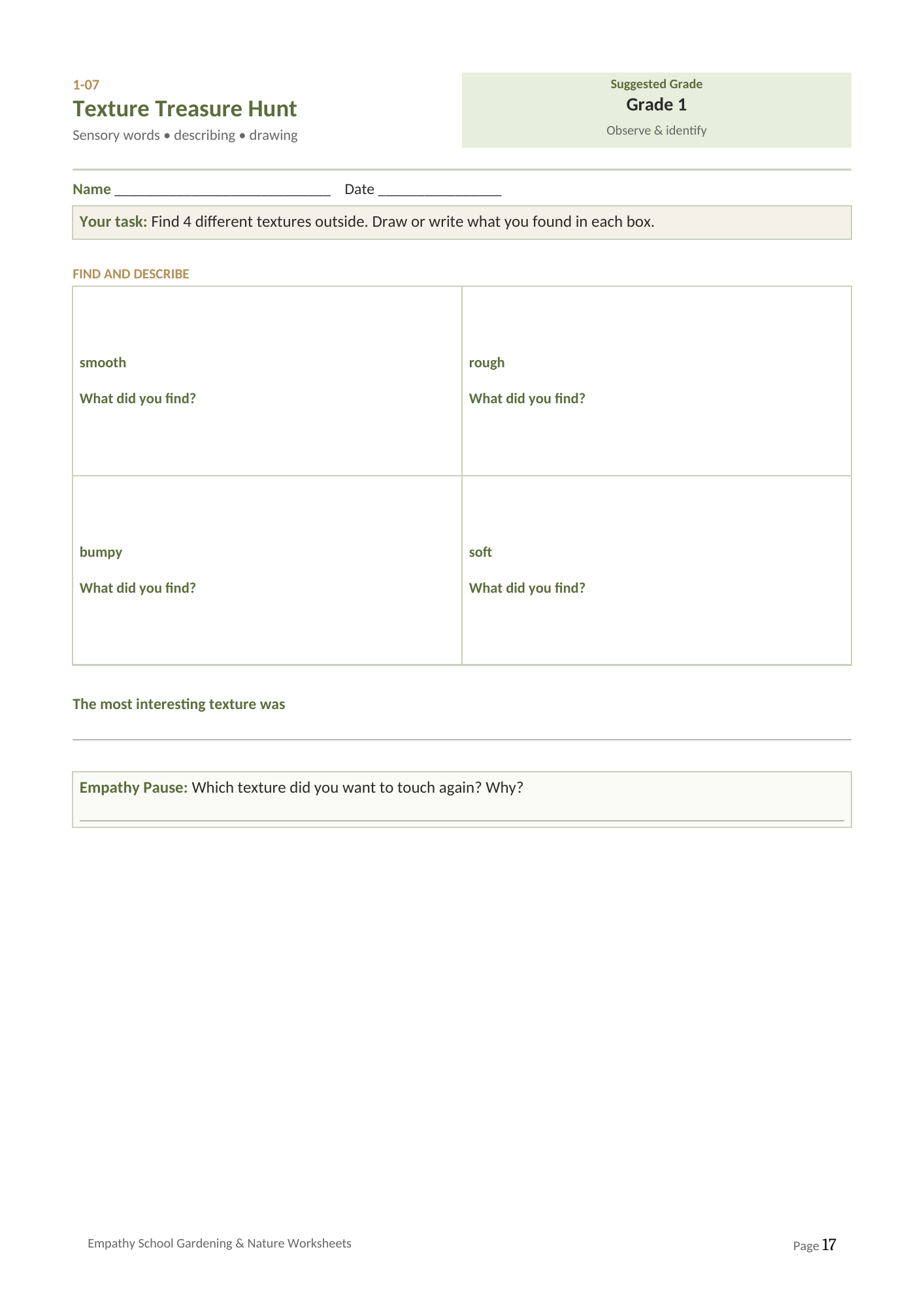
A texture tray. Bark, seed pods, stones, dried leaves, a piece of coconut husk. Rotated monthly. It costs nothing and it is handled constantly.
A rice tray. A shallow container of wet soil with seedlings. This alone carries an entire unit and fits on a table.
A butterfly enclosure, seasonally. A mesh cage and a few caterpillars on the right leaf. Nothing else you can do indoors comes close.
A change wall. One photograph of the same plant, taken weekly, pinned up in a row. Slow change made visible is difficult to arrange and worth the effort.
What not to bother with
Plastic plants. Nature posters with temperate animals on them. A sand tray that is only sand.
Use the window as the outdoors
If you have a window with any view at all, that is a weather station, a cloud journal and a bird count. We ran a bird tally from a third floor window in a city for a full term and the children could name six species by the end.
Go out anyway, briefly
A public park, a verge, a single street tree. Ten minutes twice a week beats an hour twice a term. Familiarity is what you are building, and familiarity comes from frequency.
Eric Gonzalez-Payne
Founder and curriculum author
Ed.M. in Educational Leadership, Harvard Graduate School of Education
Published by Empathy Global LLC
LinkedIn
For the full social and emotional learning programme, see the Empathy Curriculum at empathy.kids.