Composting in a Tropical Climate
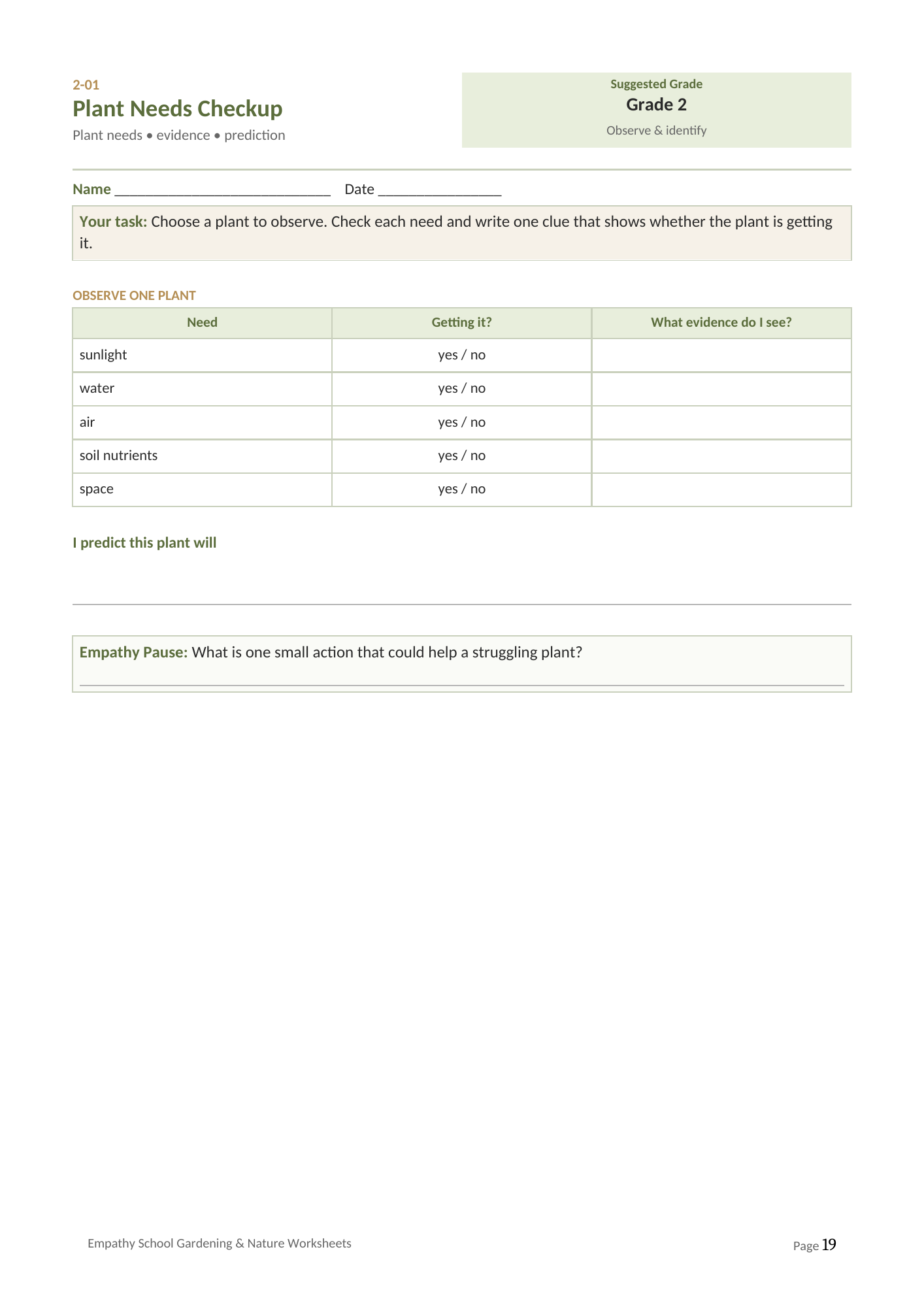
by Eric Gonzalez-Payne
The heat is on your side
A compost heap in the tropics can produce usable material in six to eight weeks. In a temperate climate the same heap takes most of a year. You have a real advantage here and most schools do not use it.
The four things that go wrong
Too wet. In the rainy season an open heap becomes a soggy anaerobic mess that smells of ammonia. Cover it. Not sealed, covered.
Too much green. All grass clippings and kitchen waste and no dry material gives you slime. You need roughly equal volumes of green wet material and brown dry material. Dry leaves, cardboard, coconut husk, rice straw.
Cooked food and meat. Do not. In a tropical climate you will have rats within about a week. We know this because we did it.
Too dry in the dry season. The opposite problem, six months apart. Water the heap.
Turn it or wait
Turning weekly gives you compost in six weeks. Not turning gives you compost in six months. Both are fine. Decide which one you are actually going to do rather than which one you would like to do.
What children get from it
A heap that is working is genuinely hot in the middle. A long thermometer pushed in reads well above air temperature and children find that startling.
They can also diagnose a failing heap themselves once they know the four causes, which is a real diagnostic skill applied to a real system.
The best version for a school
Two bays side by side. Fill one, then start the second while the first finishes. It is the simplest system that does not require anyone to remember anything.

Eric Gonzalez-Payne
Founder and curriculum author
Ed.M. in Educational Leadership, Harvard Graduate School of Education
Published by Empathy Global LLC
LinkedIn
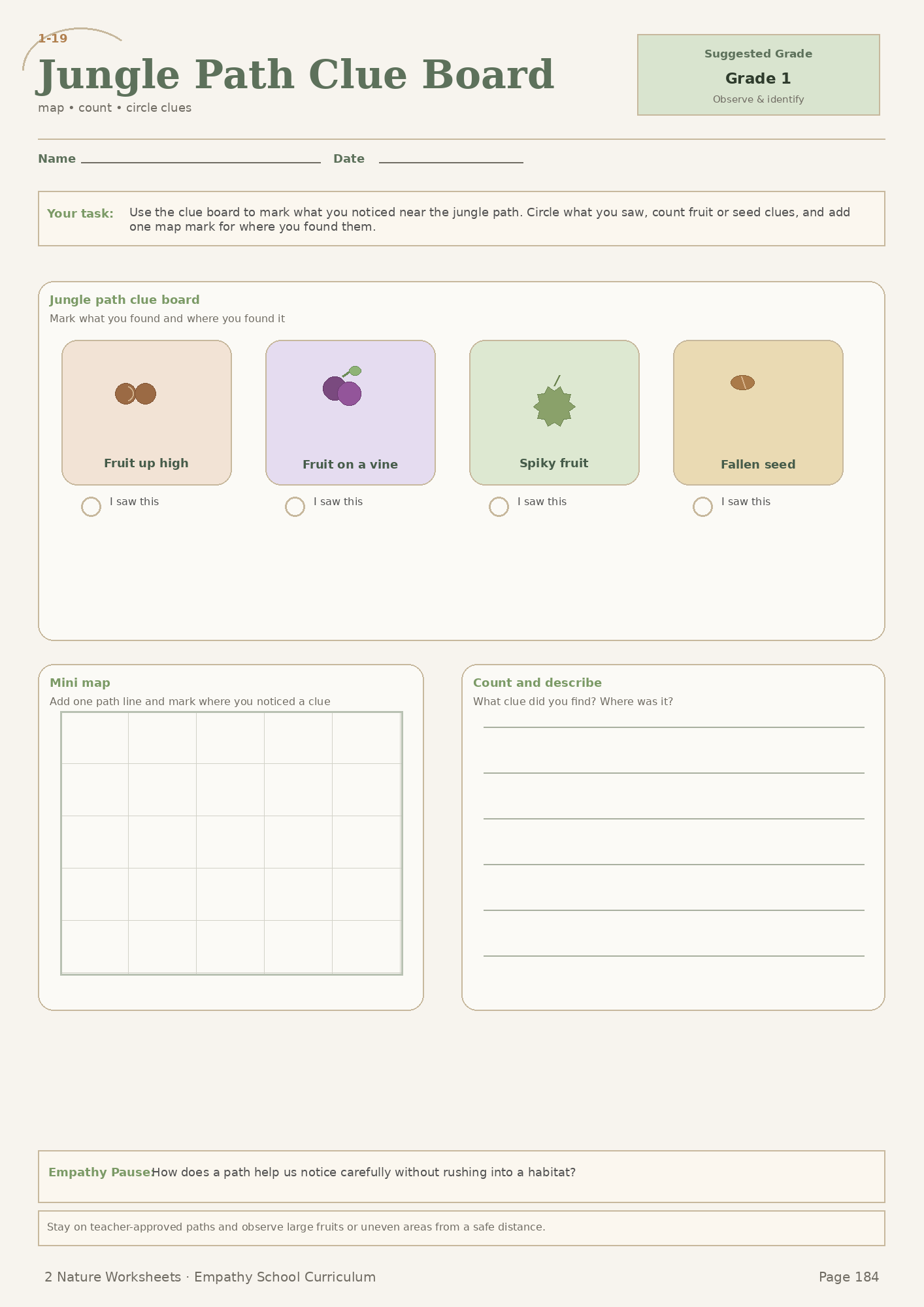
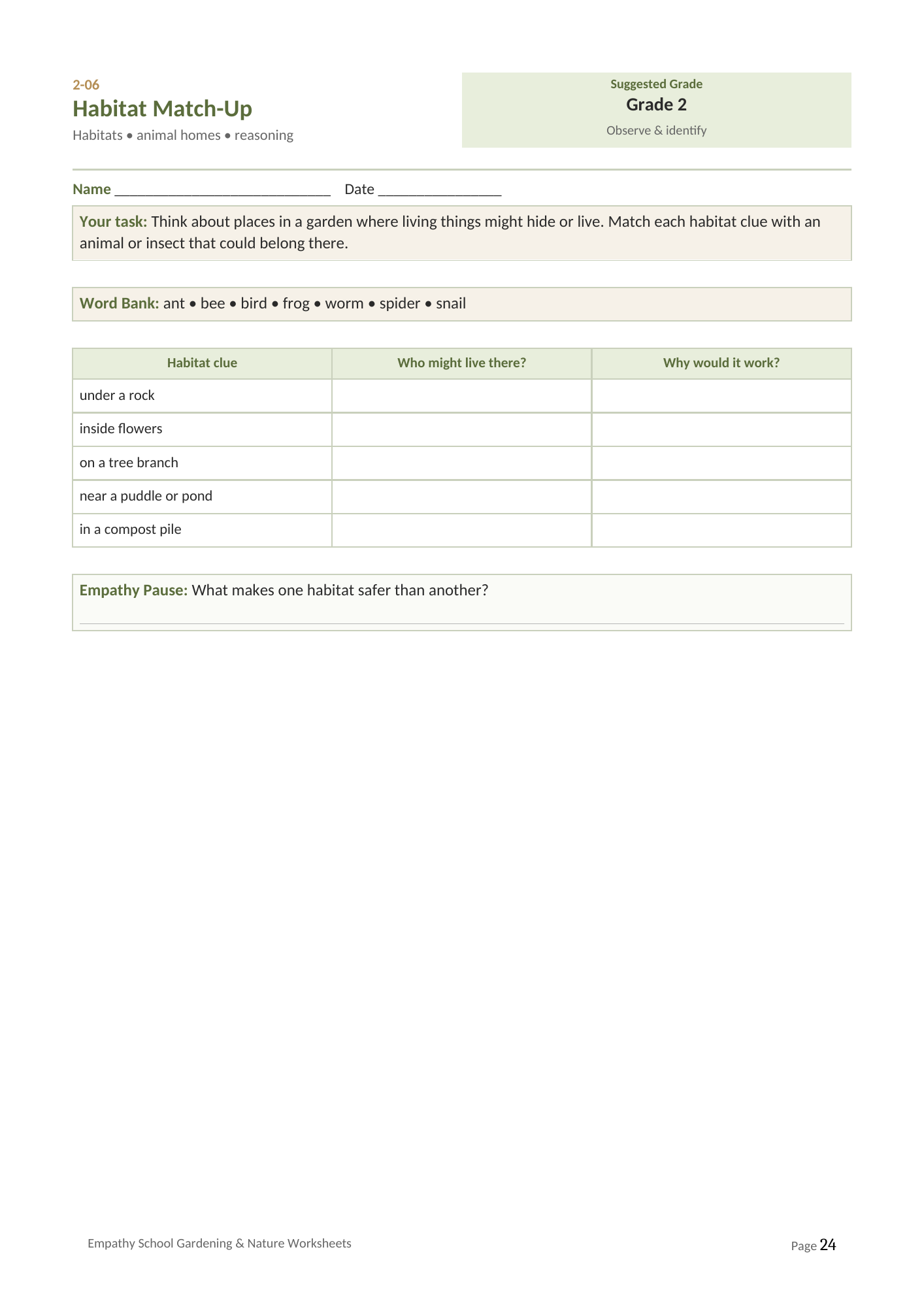

For the full social and emotional learning programme, see the Empathy Curriculum at empathy.kids.